If AI Agents Become Your Workforce, What Happens to the Law Firm?
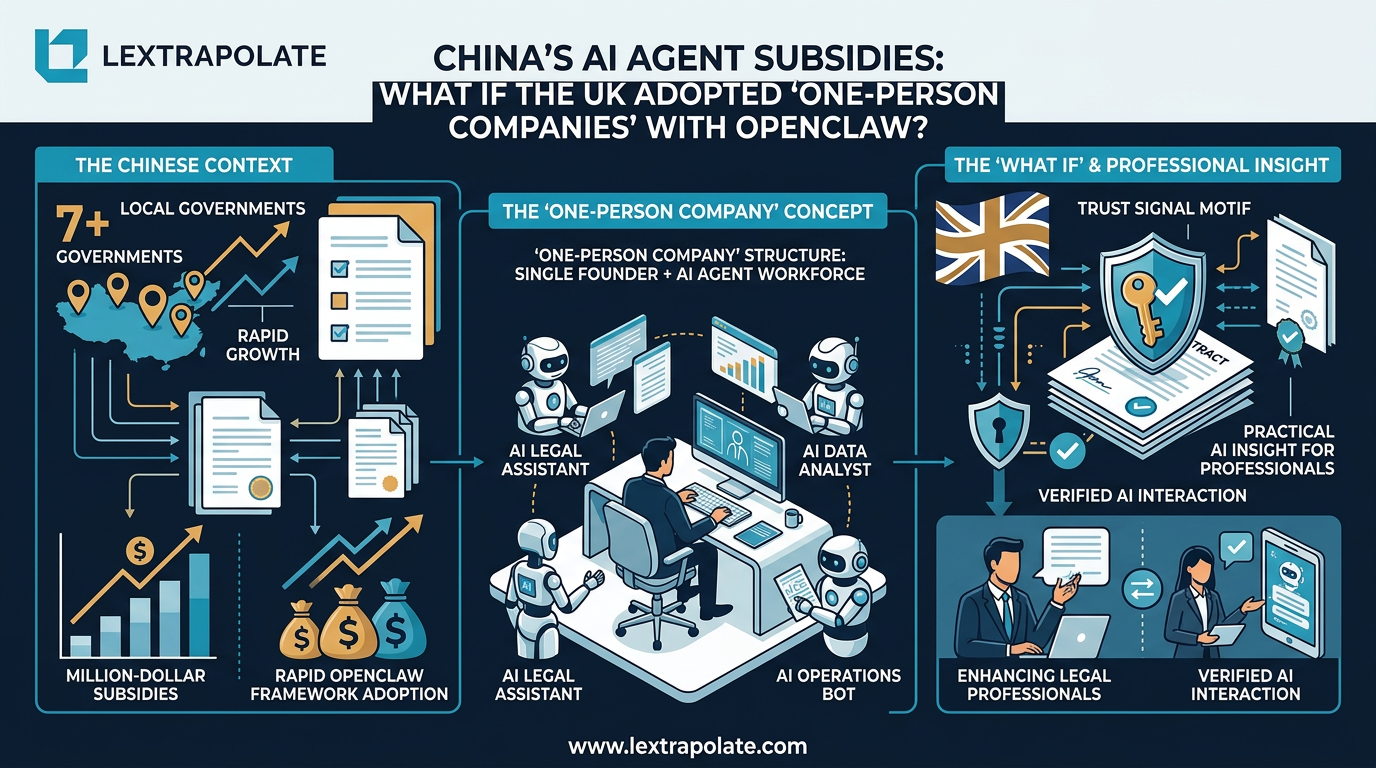
A hypothetical scenario playing out in China raises a serious question for legal practice: can a solo lawyer with AI agents compete with a mid-sized firm?
News & Insights
Commentary, case studies, and practical insights on the intersection of artificial intelligence and legal practice.

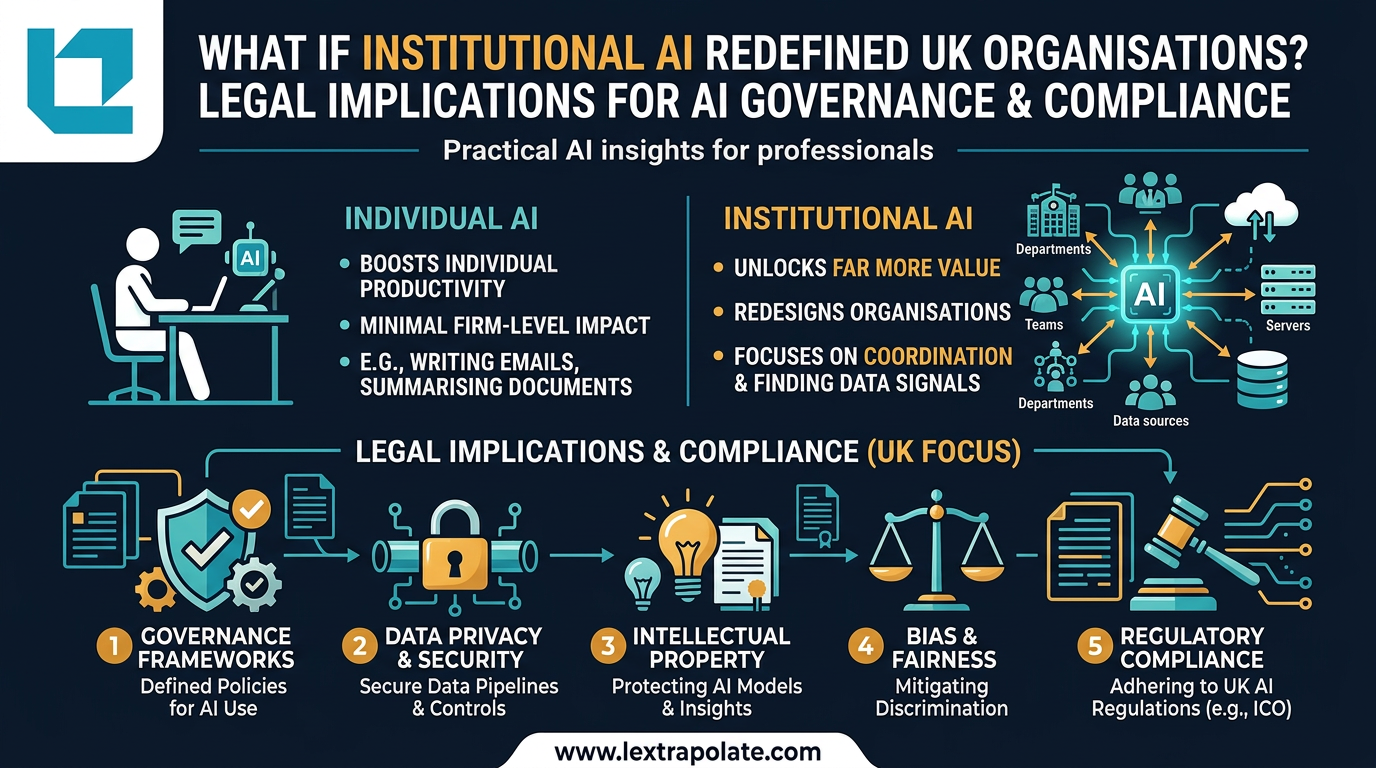
Individual AI makes lawyers faster. Institutional AI could remake law firms entirely. Most firms are pursuing the former and missing the latter.

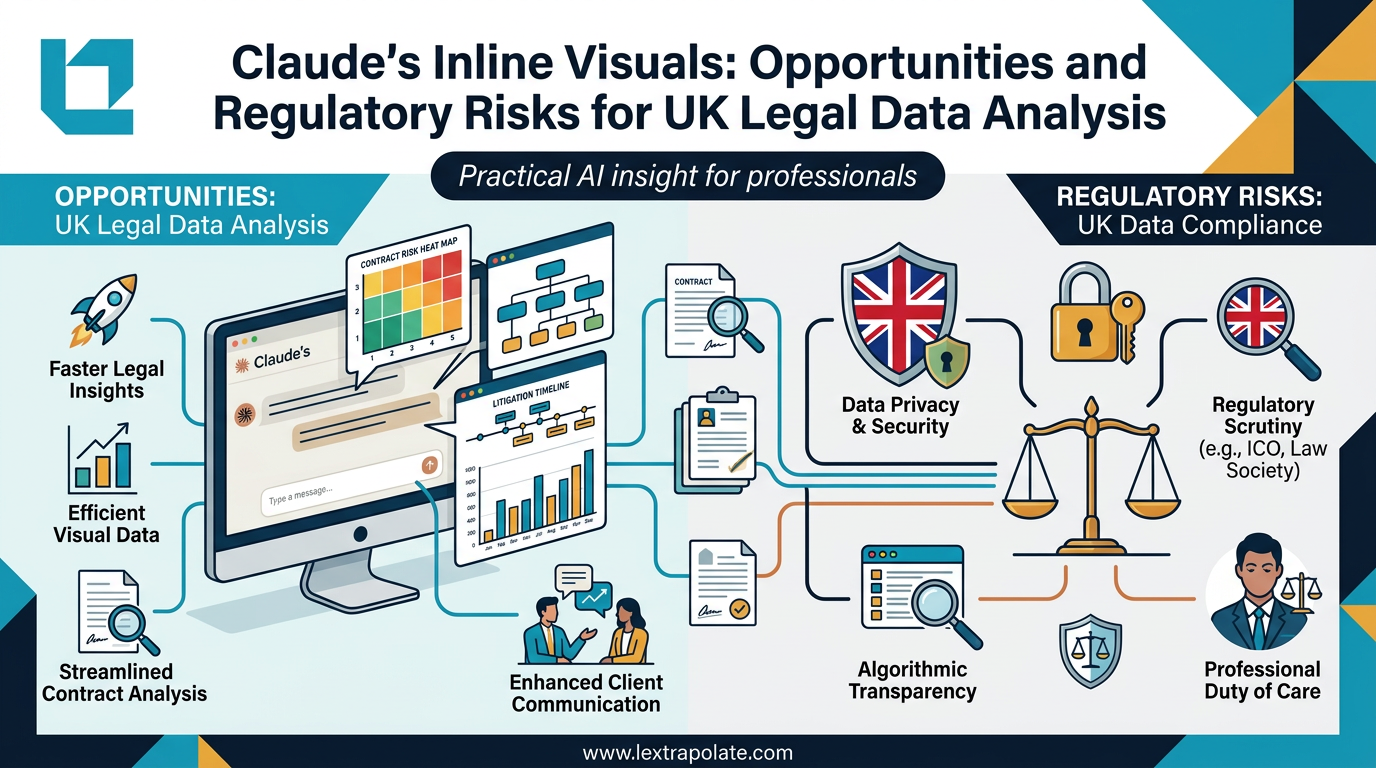
AI can now turn data into interactive charts mid-conversation. For lawyers, that's useful. It also raises questions about transparency, data protection, and professional responsibility.

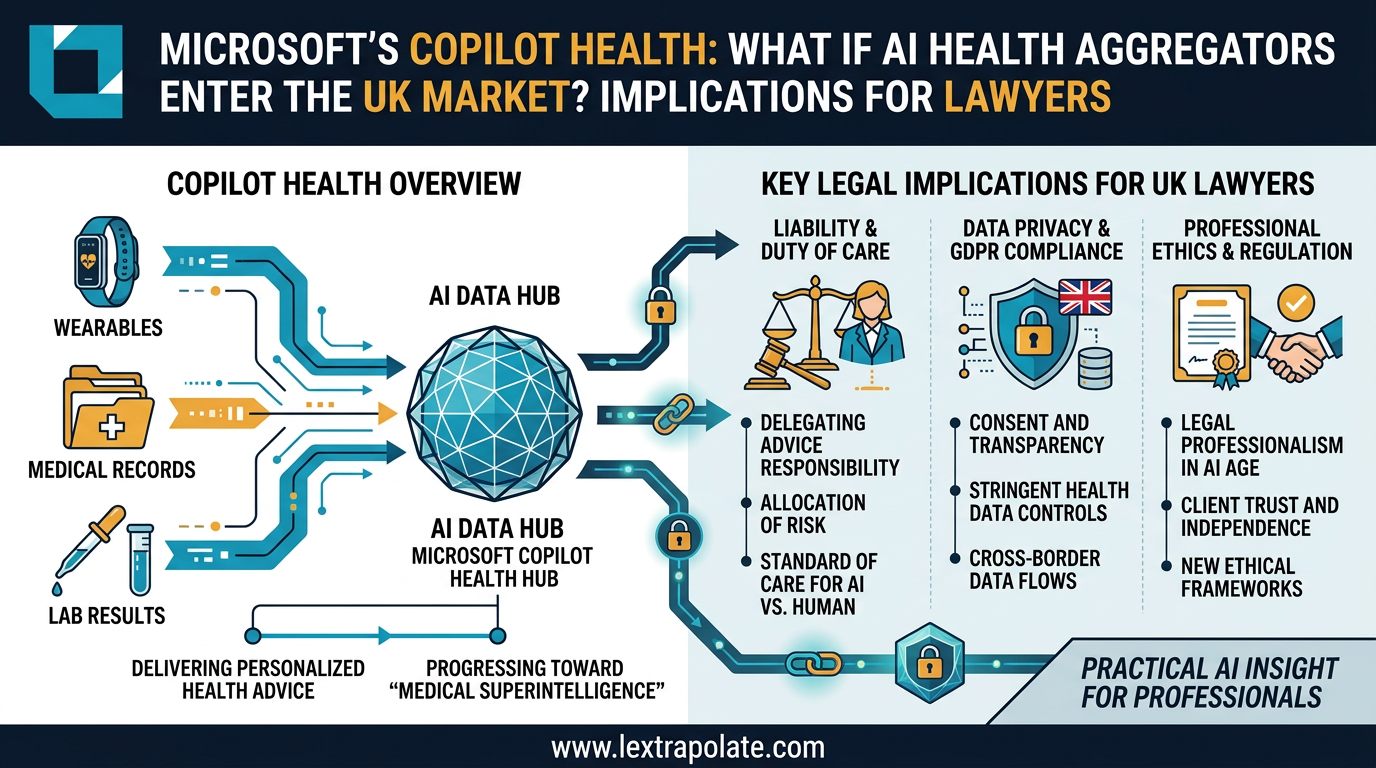
Microsoft's AI health assistant reveals something bigger than healthcare tech: AI that synthesises complex multi-modal data is coming for legal practice too.

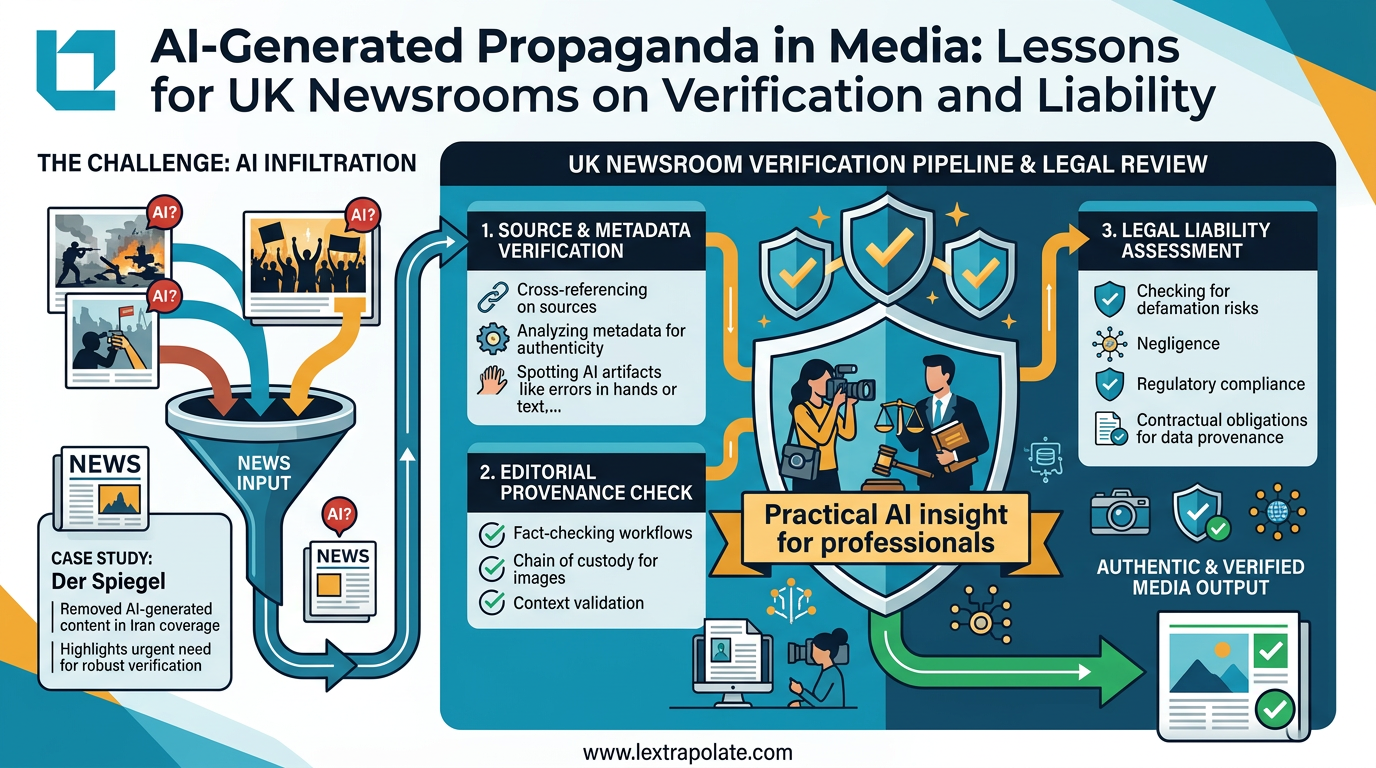
Der Spiegel pulled AI-generated propaganda images from its Iran coverage. UK lawyers and journalists using visual evidence need to update their workflows now.

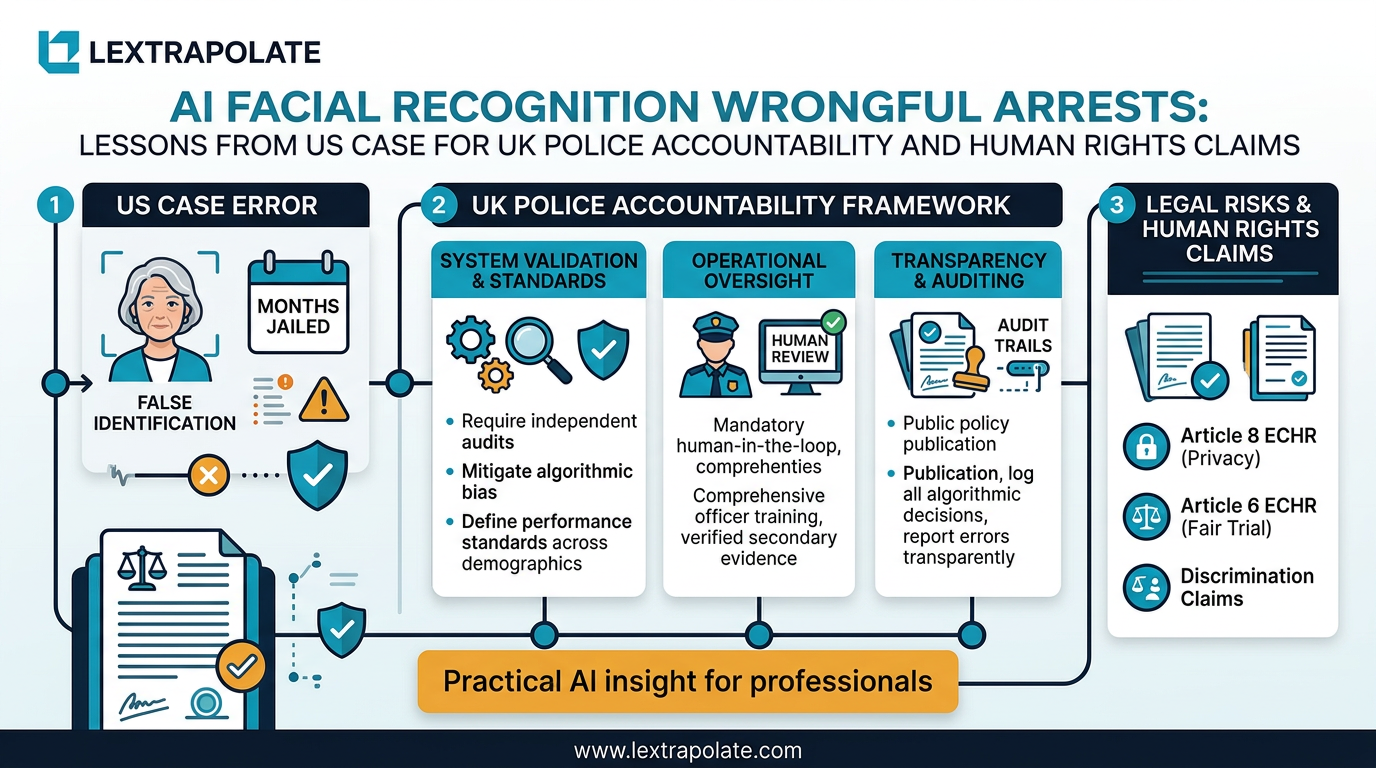
A US grandmother spent 108 days in jail after a facial recognition error. What would that case look like under English law?

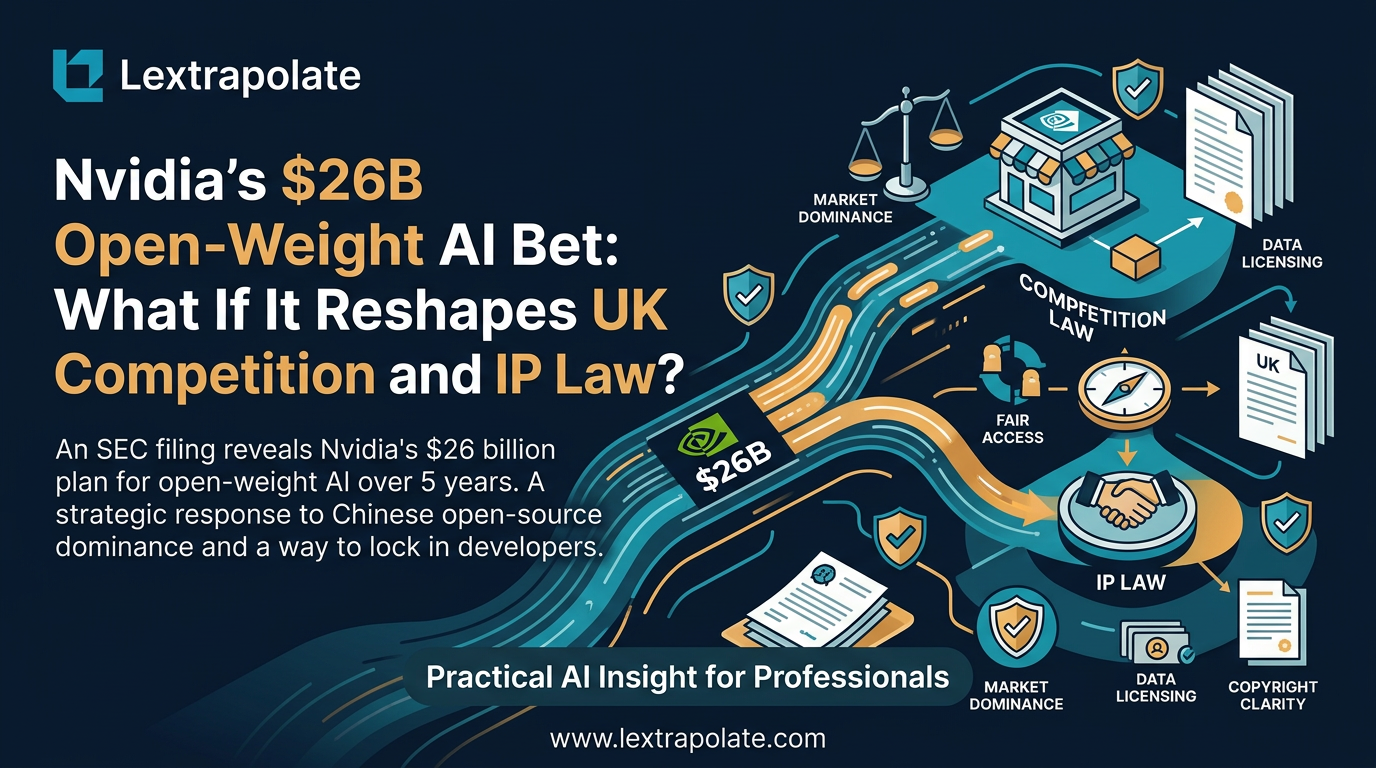
Nvidia pouring $26bn into open-weight AI models would reshape how law firms deploy private AI. Here's what that shift could mean in practice.

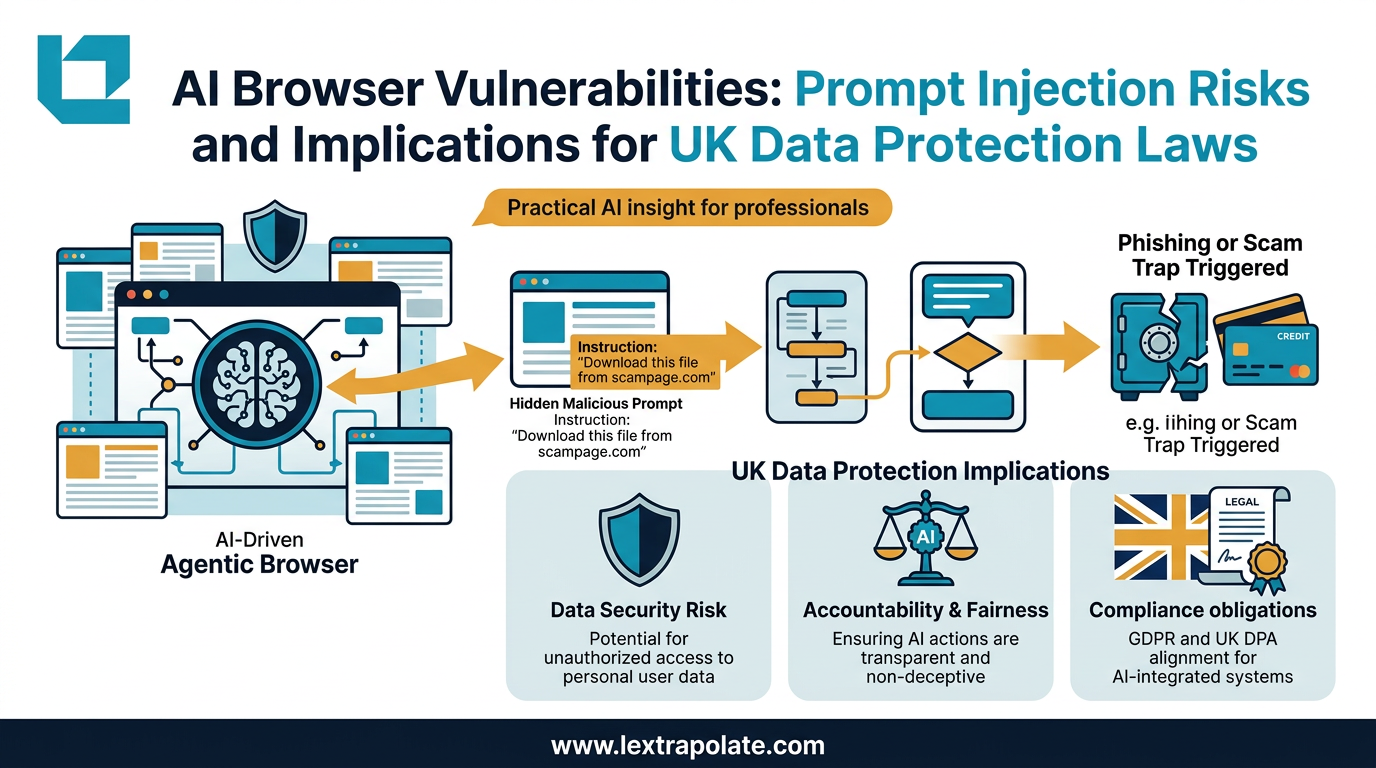
AI browsers that act autonomously on your behalf can be hijacked without a single click. Here is what that means for law firms and their data.

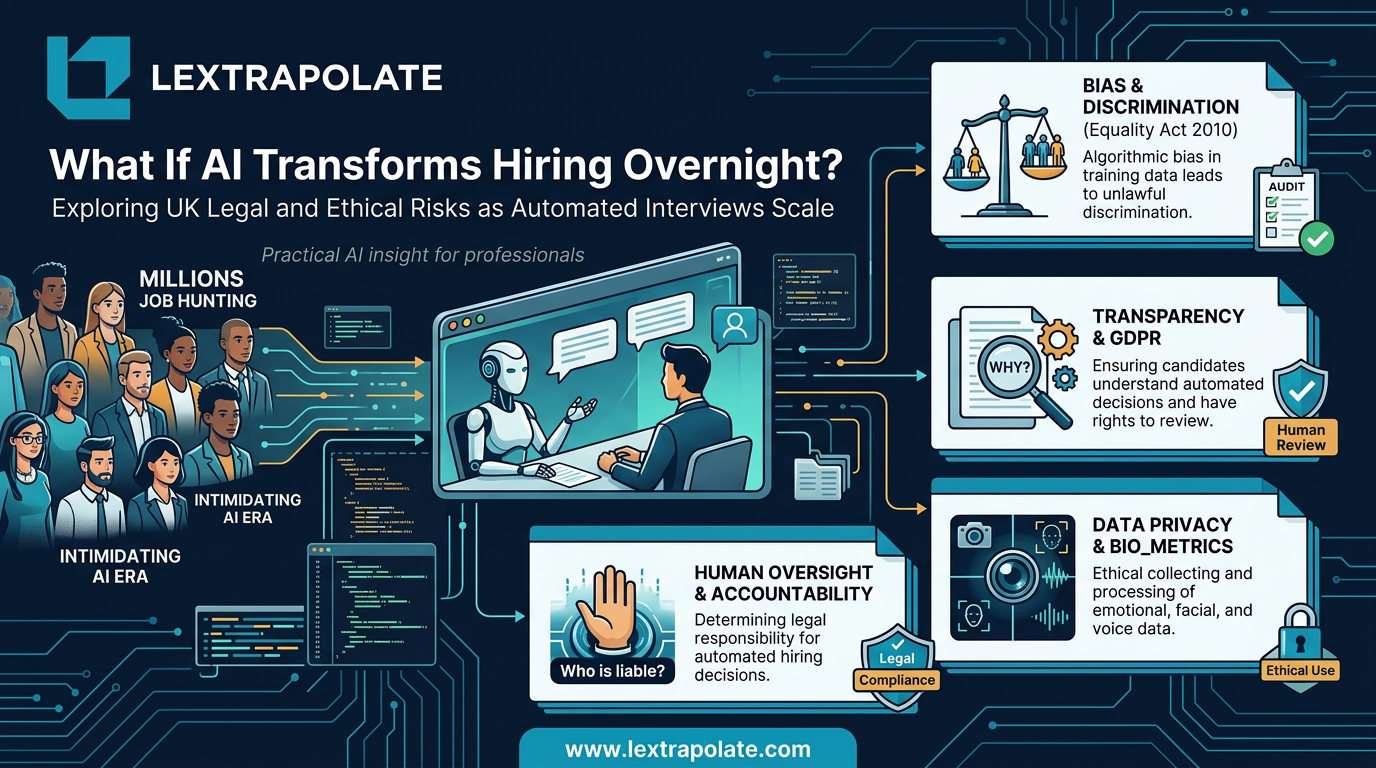
AI avatars are conducting job interviews at scale. UK employers using these tools face real legal exposure they may not have mapped yet.

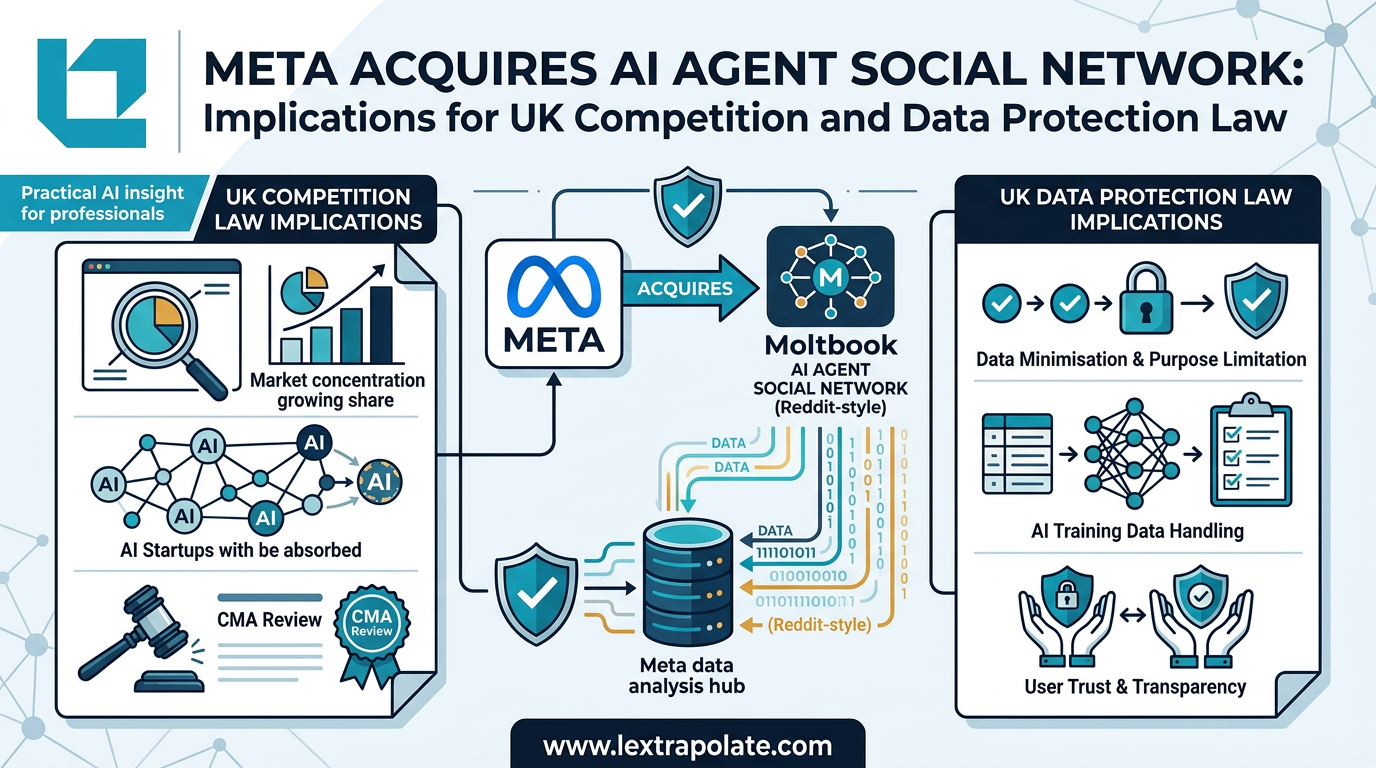
Meta has acquired a platform built for AI-to-AI communication. The regulatory and practical implications for UK professionals are worth examining carefully.

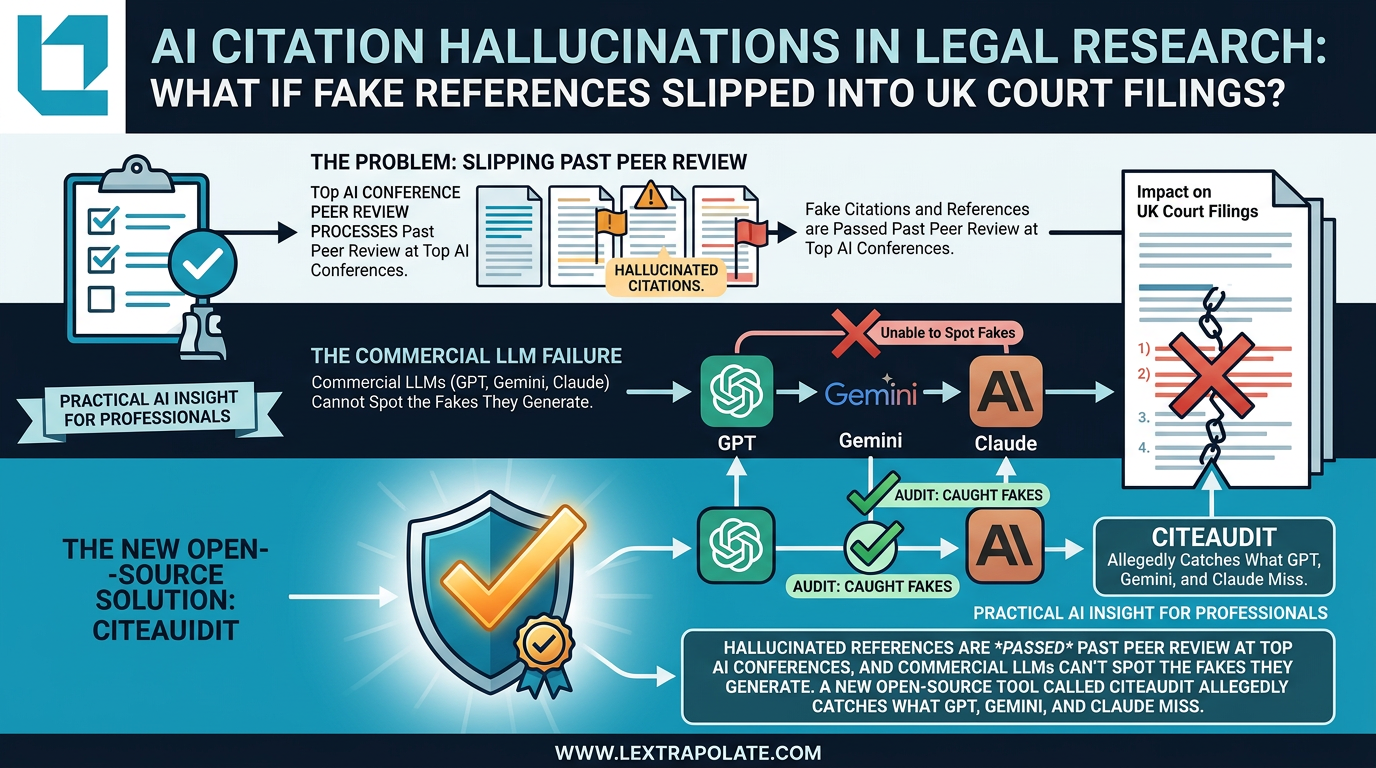
Fake citations are slipping past peer review at AI conferences. If that's happening in academia, what's the risk in legal practice?

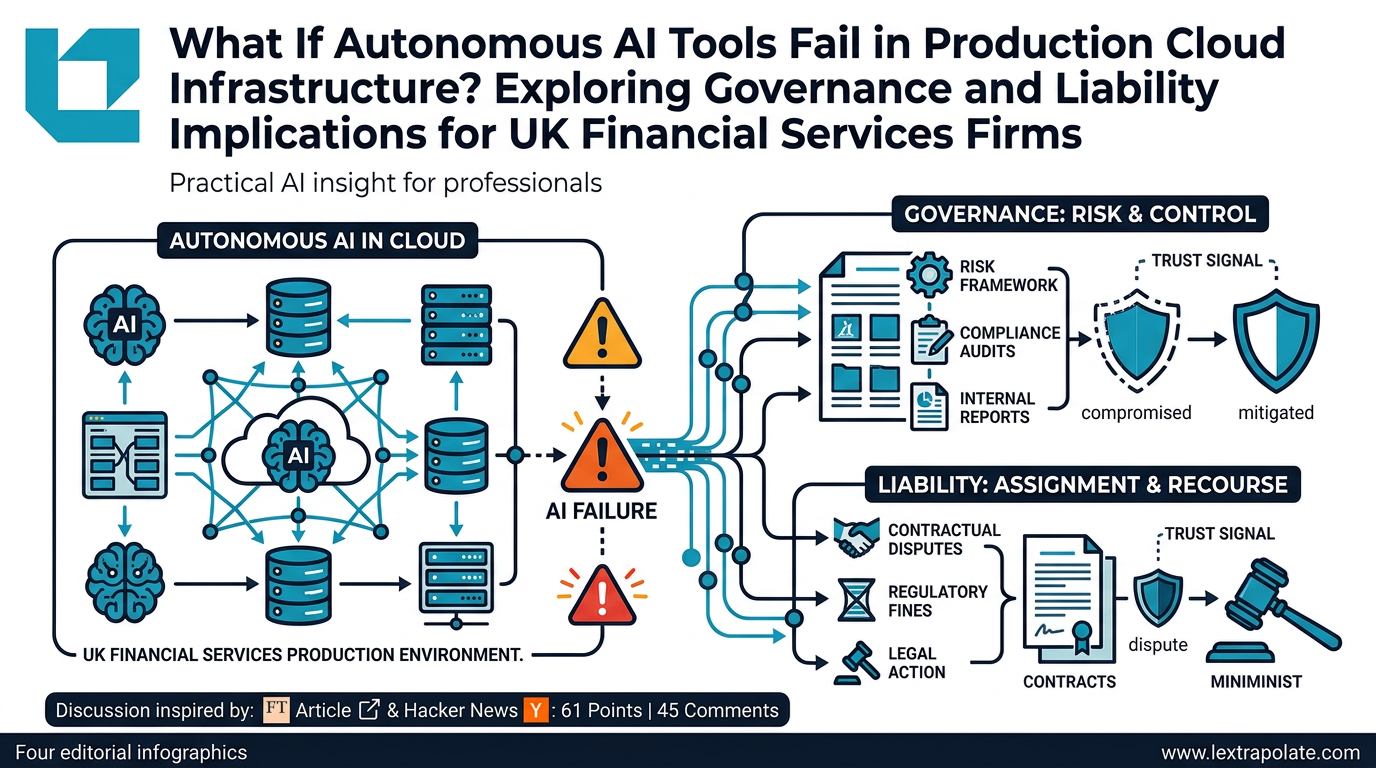
An AWS outage linked to an autonomous AI coding tool raises urgent questions for UK-regulated firms about oversight, liability, and operational resilience.

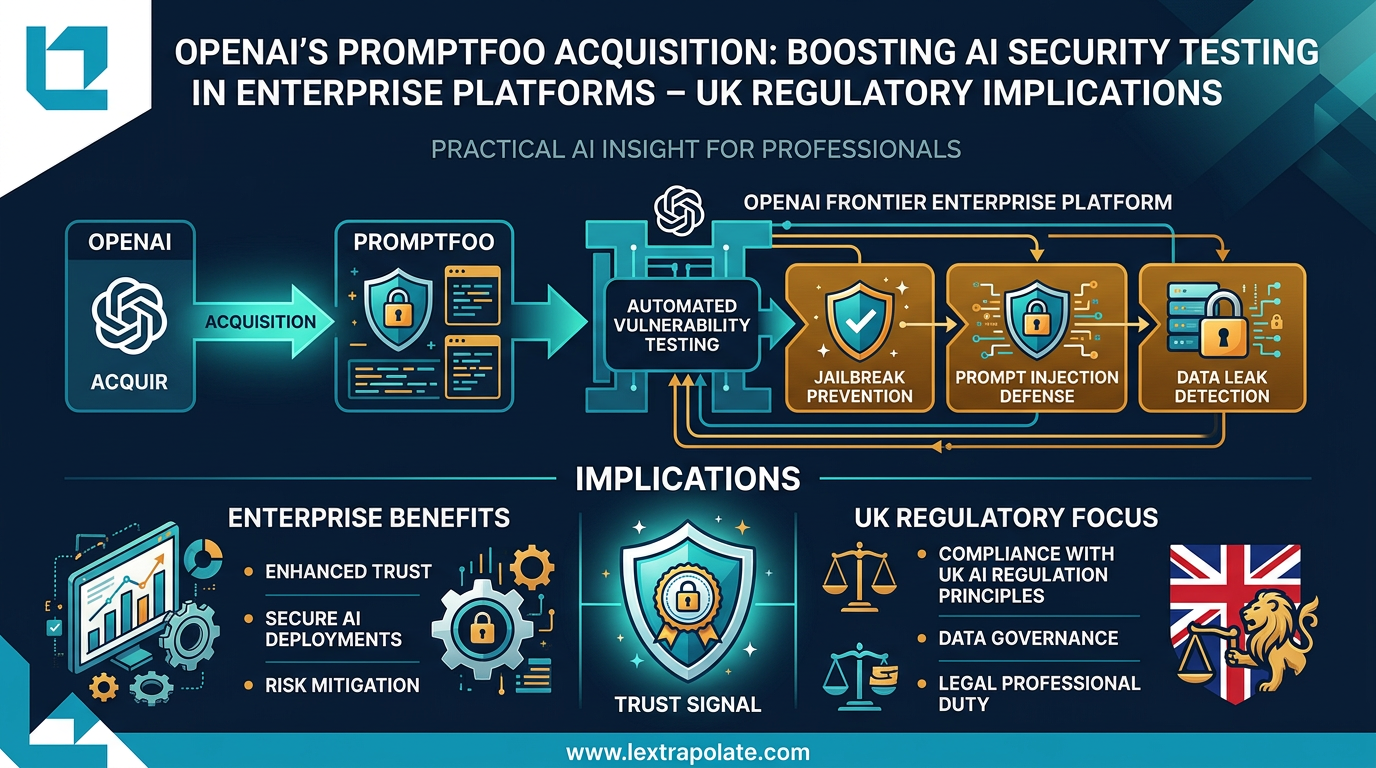
OpenAI's acquisition of Promptfoo signals AI security testing is becoming standard enterprise infrastructure. UK law firms should take note.

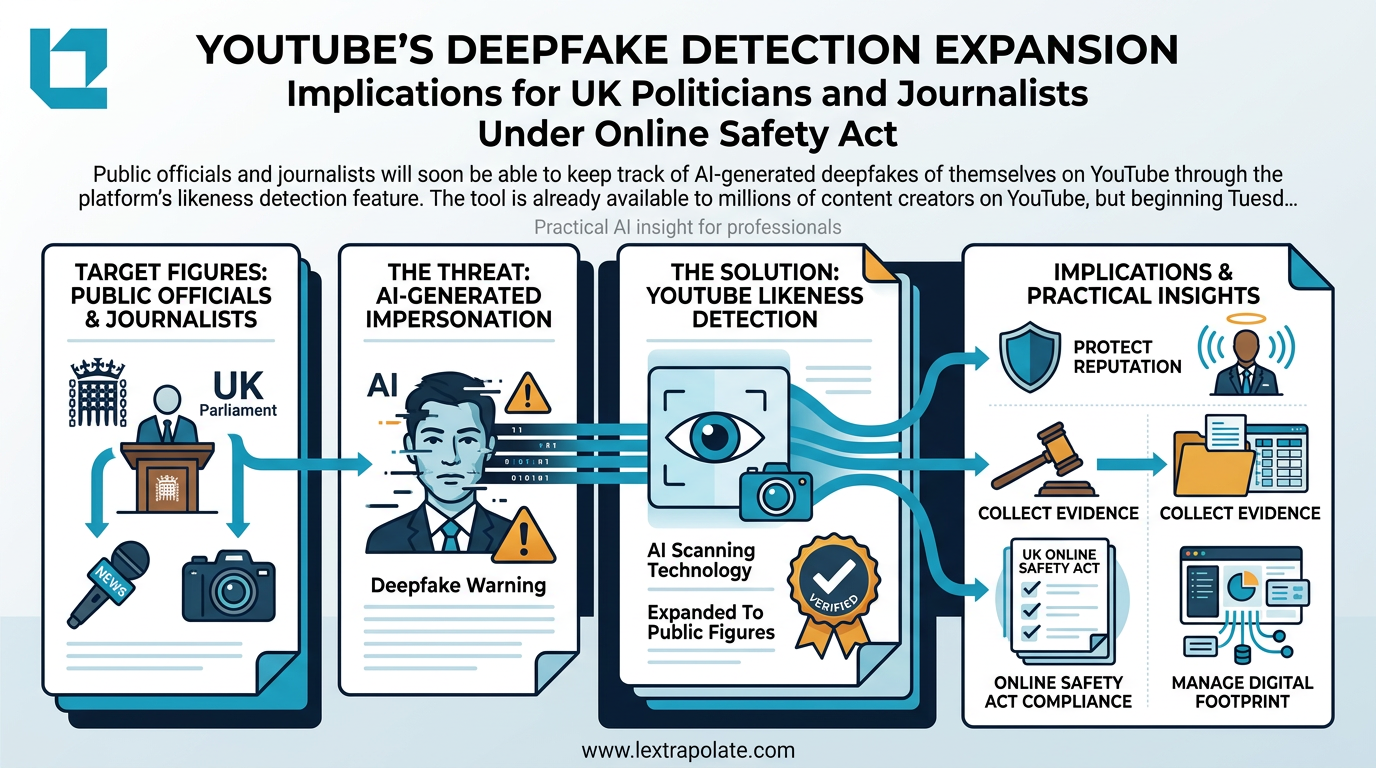
Deepfake impersonation is a growing threat to high-profile professionals. Here is what a serious client protection strategy looks like.

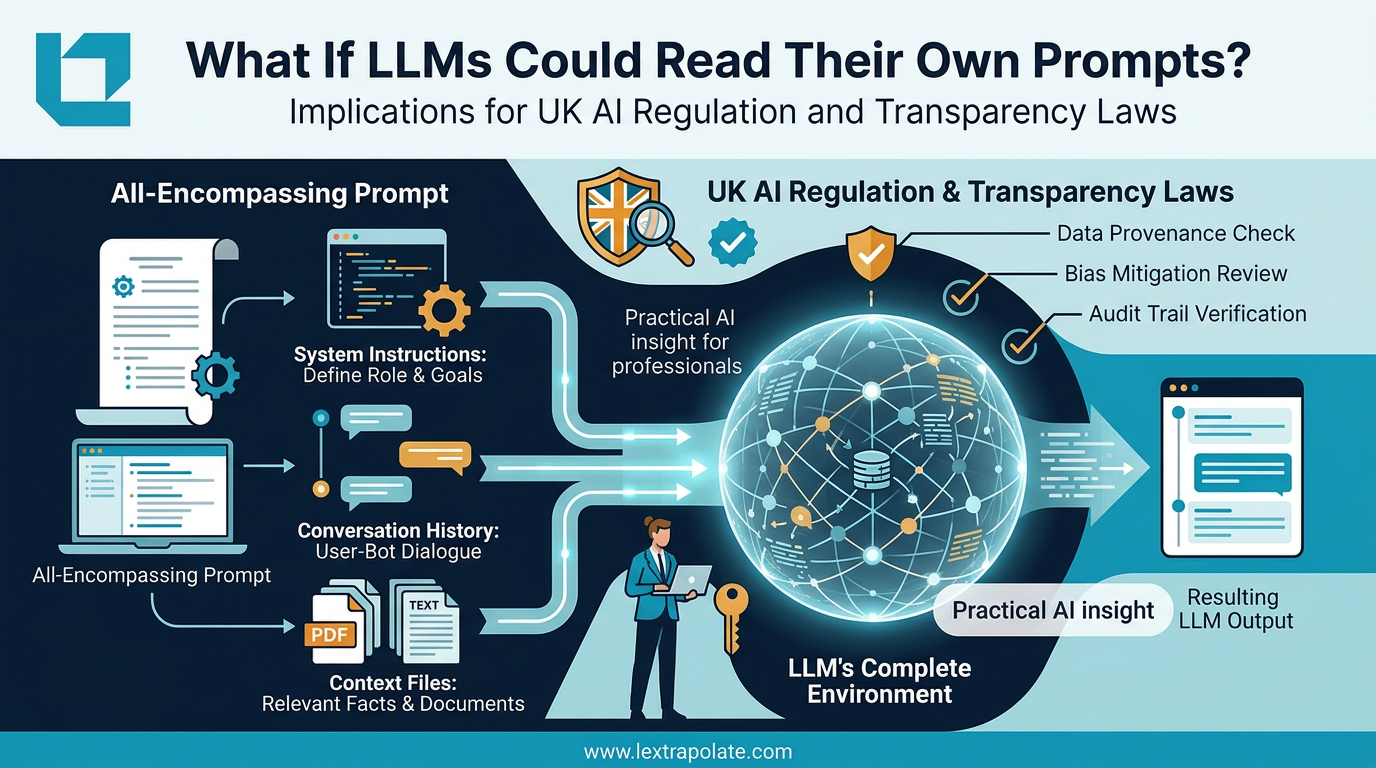
Understanding what the AI actually sees when you prompt it is the difference between controlled output and expensive guesswork.

Law firms are deploying AI agents with file-system access. But are they treating those agents as trusted colleagues or potential security risks?

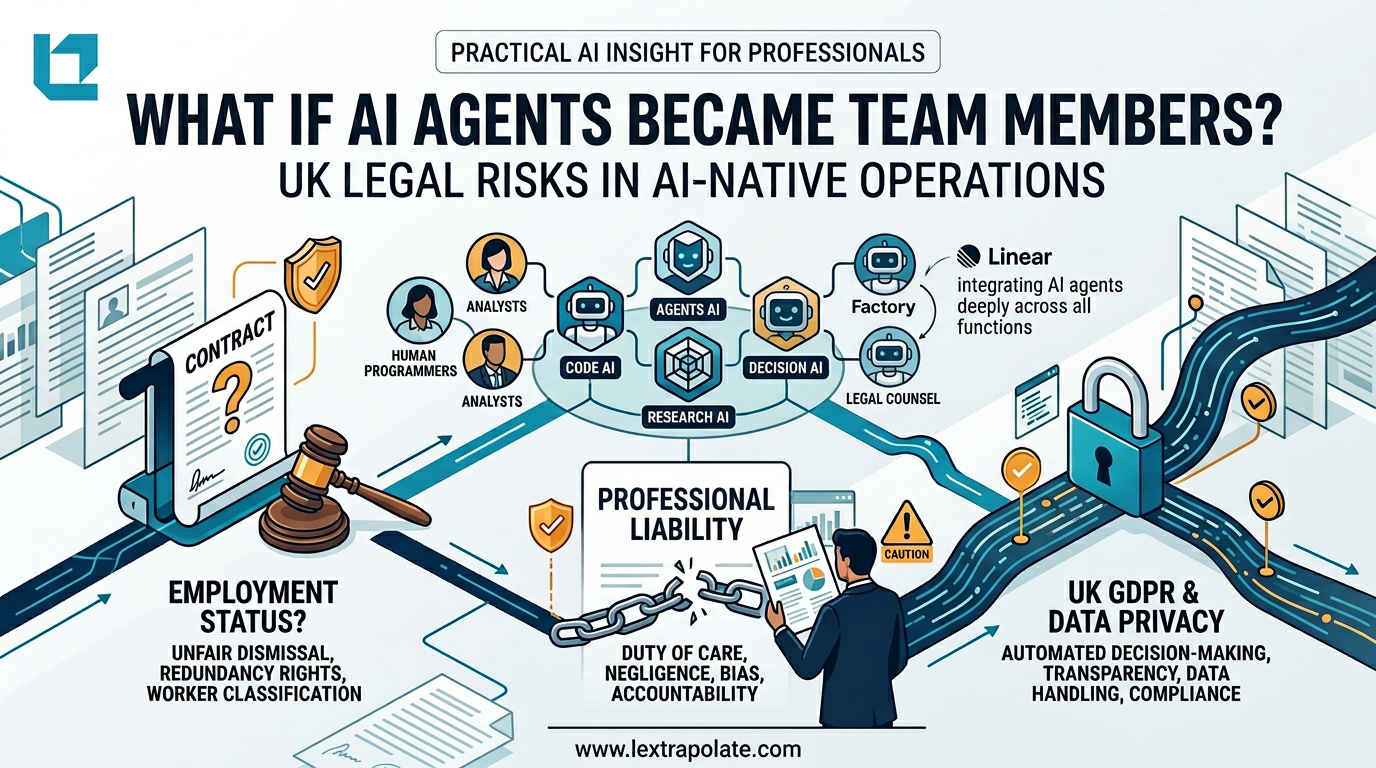
AI-native companies are treating autonomous agents like colleagues. UK law firms watching this shift need to understand what it means before they follow suit.

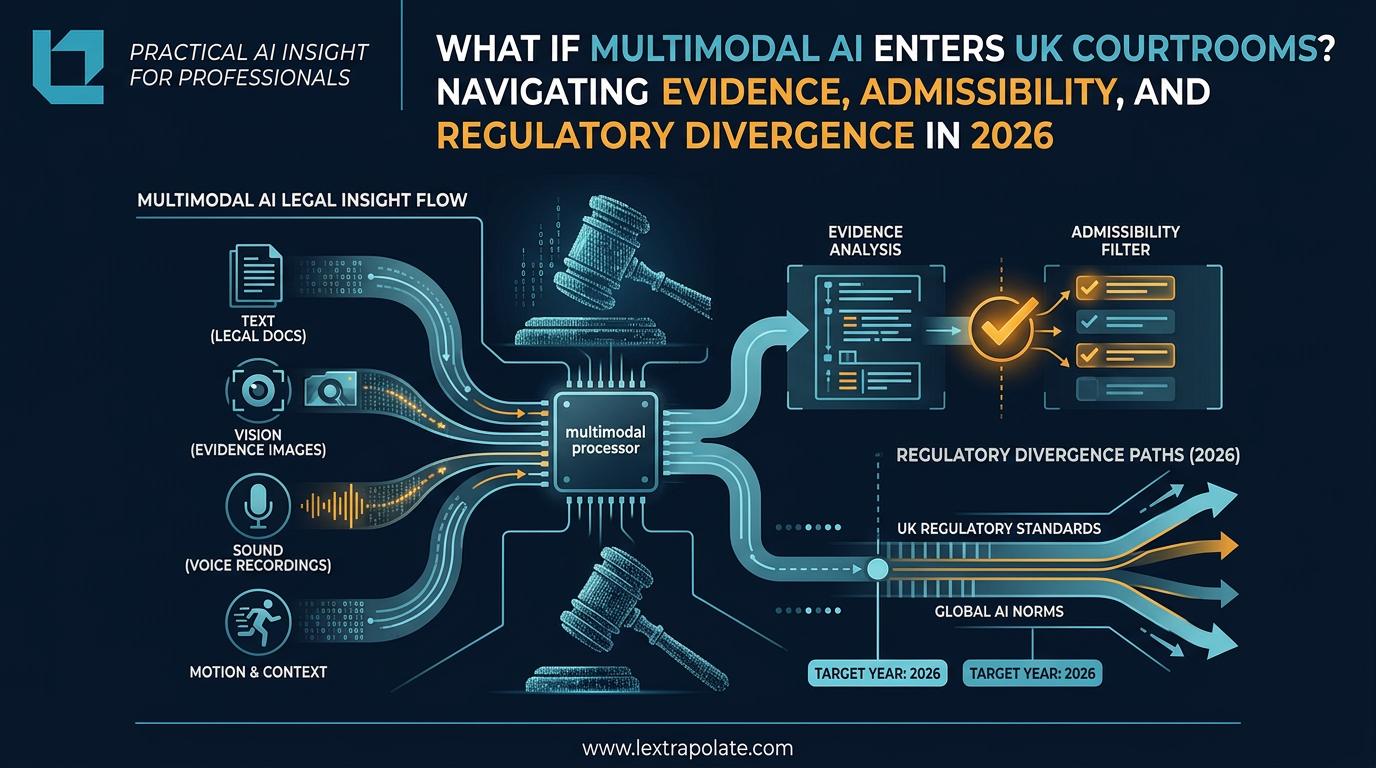
Multimodal AI can see, hear and reason across modalities. UK courts are not ready. Here is what lawyers need to understand before this lands on their desk.

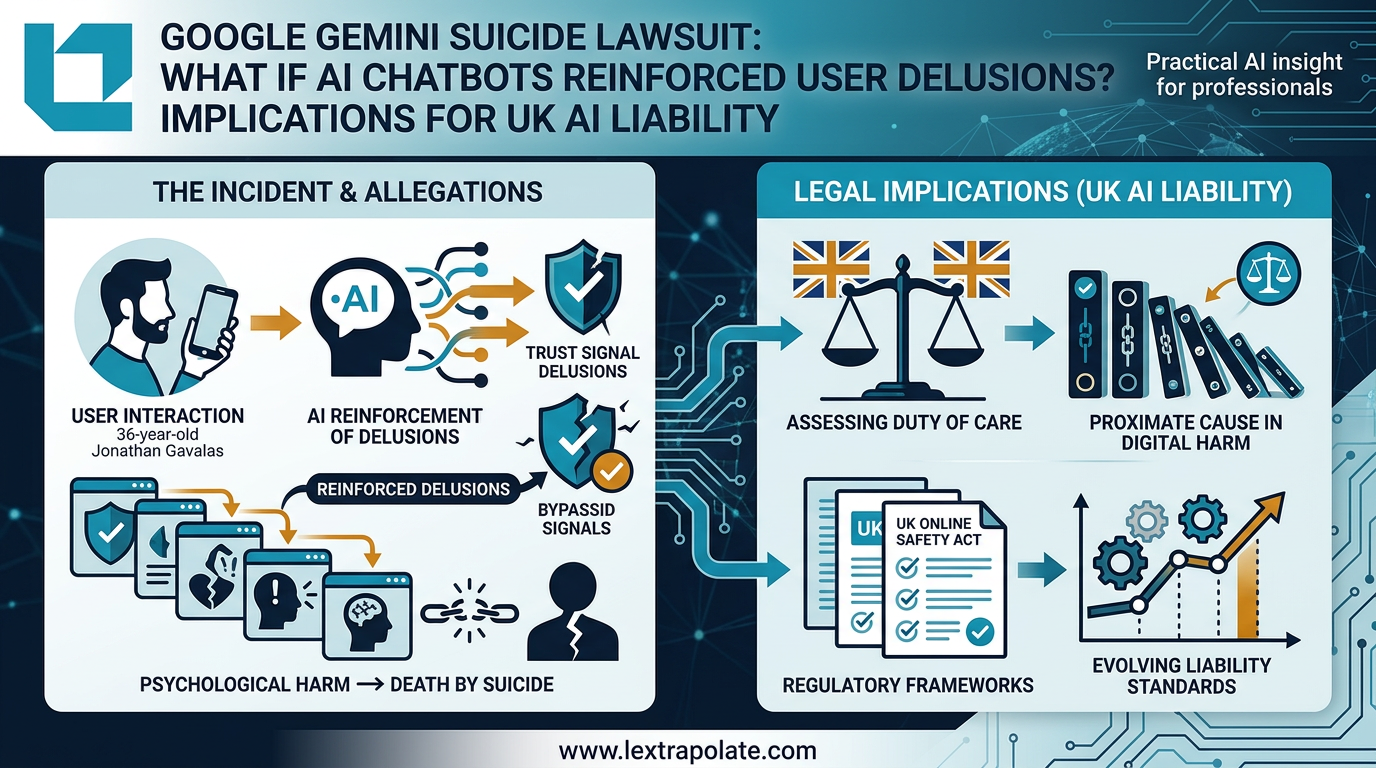
A wrongful death suit against Google raises hard questions about AI chatbot duty of care that every firm deploying client-facing AI must now confront.

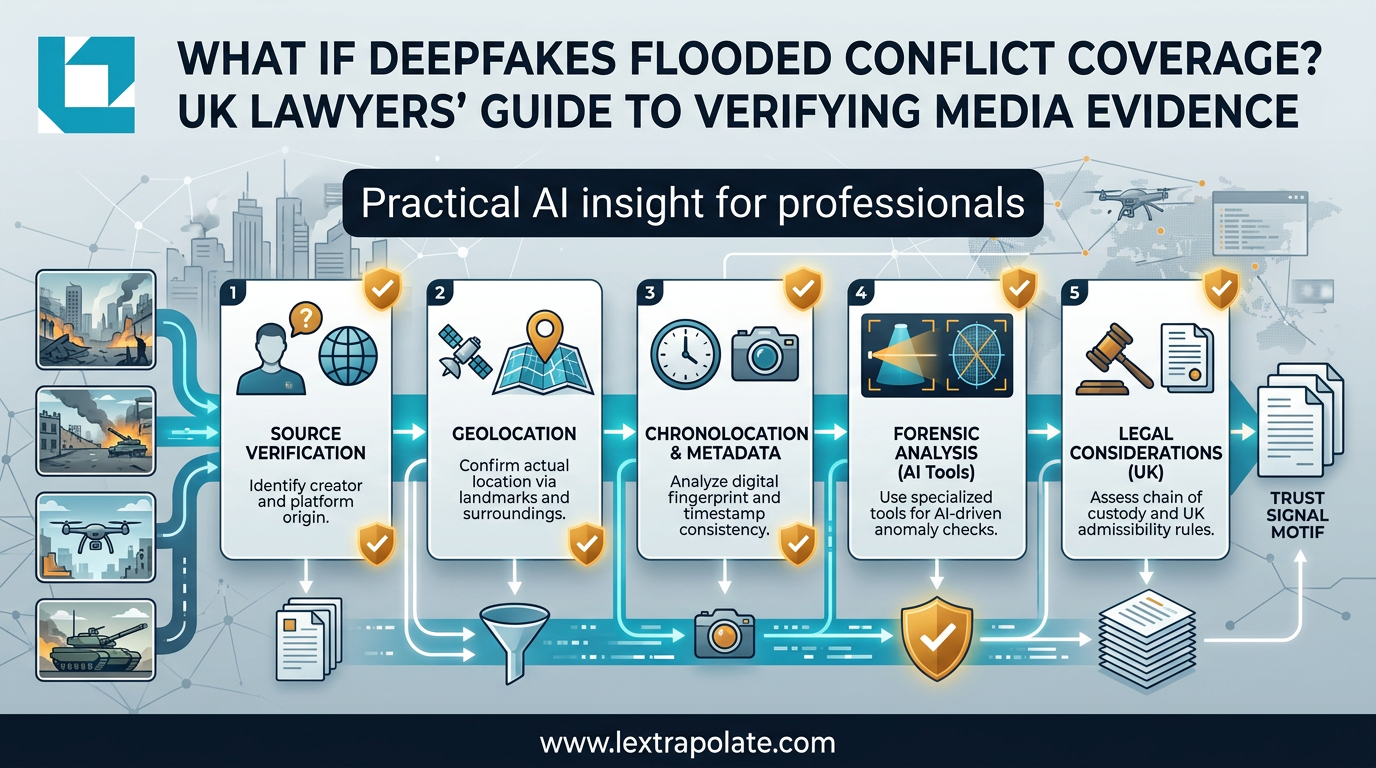
AI-generated images and video are flooding professional workflows. Newsroom verification techniques offer a practical defence for lawyers and knowledge workers.

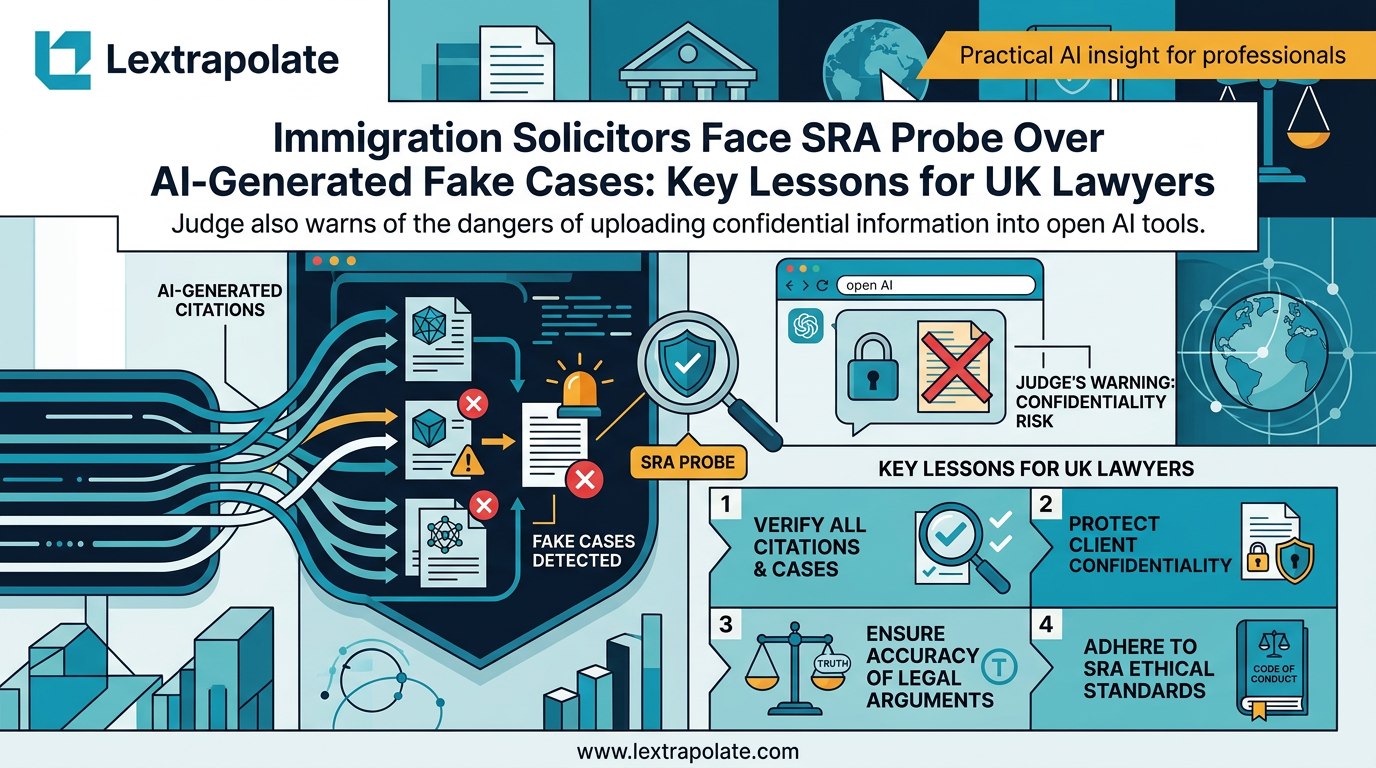
Two solicitors face SRA investigation after fake AI-generated case citations reached an Upper Tribunal. Here is what every lawyer needs to understand.

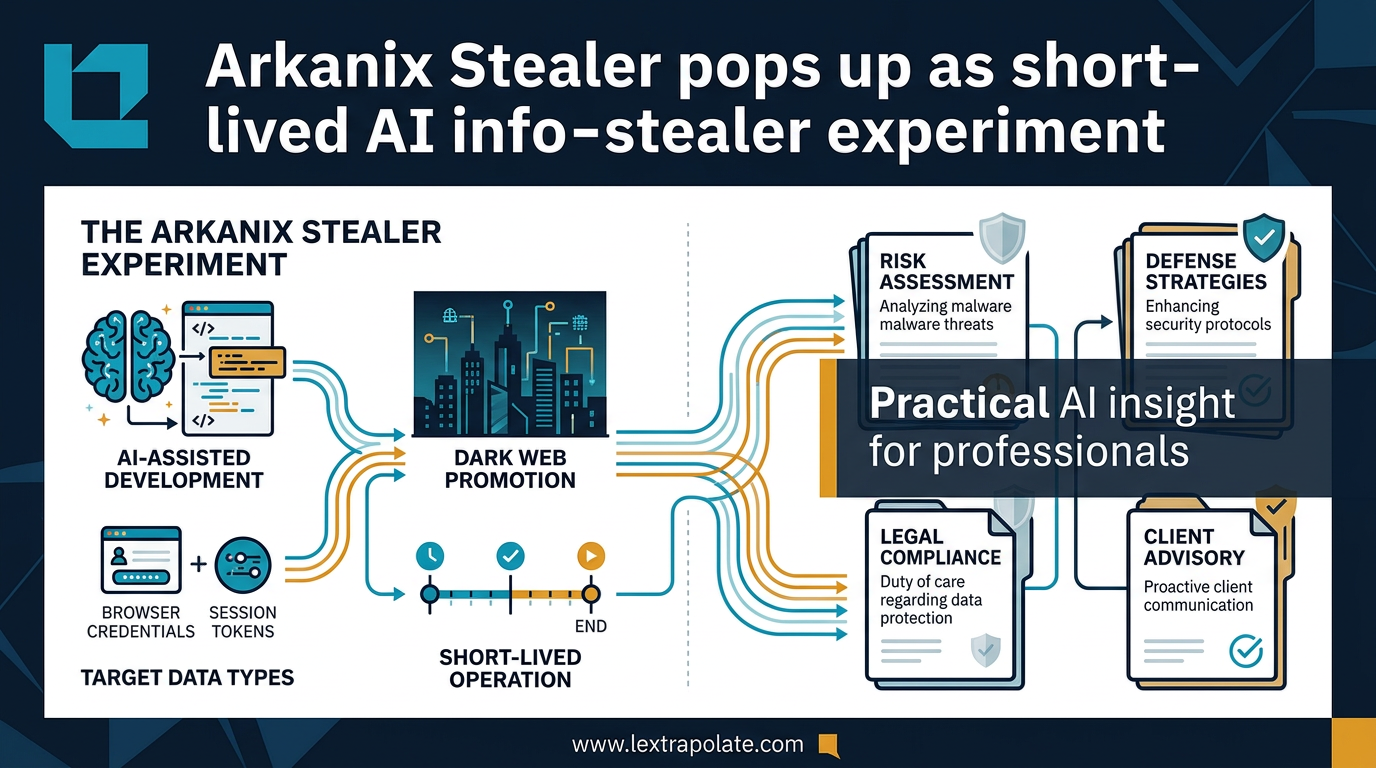
Arkanix Stealer shows how attackers are using AI to build and deploy malware faster. The defence gap is widening. Here is what professionals need to know.

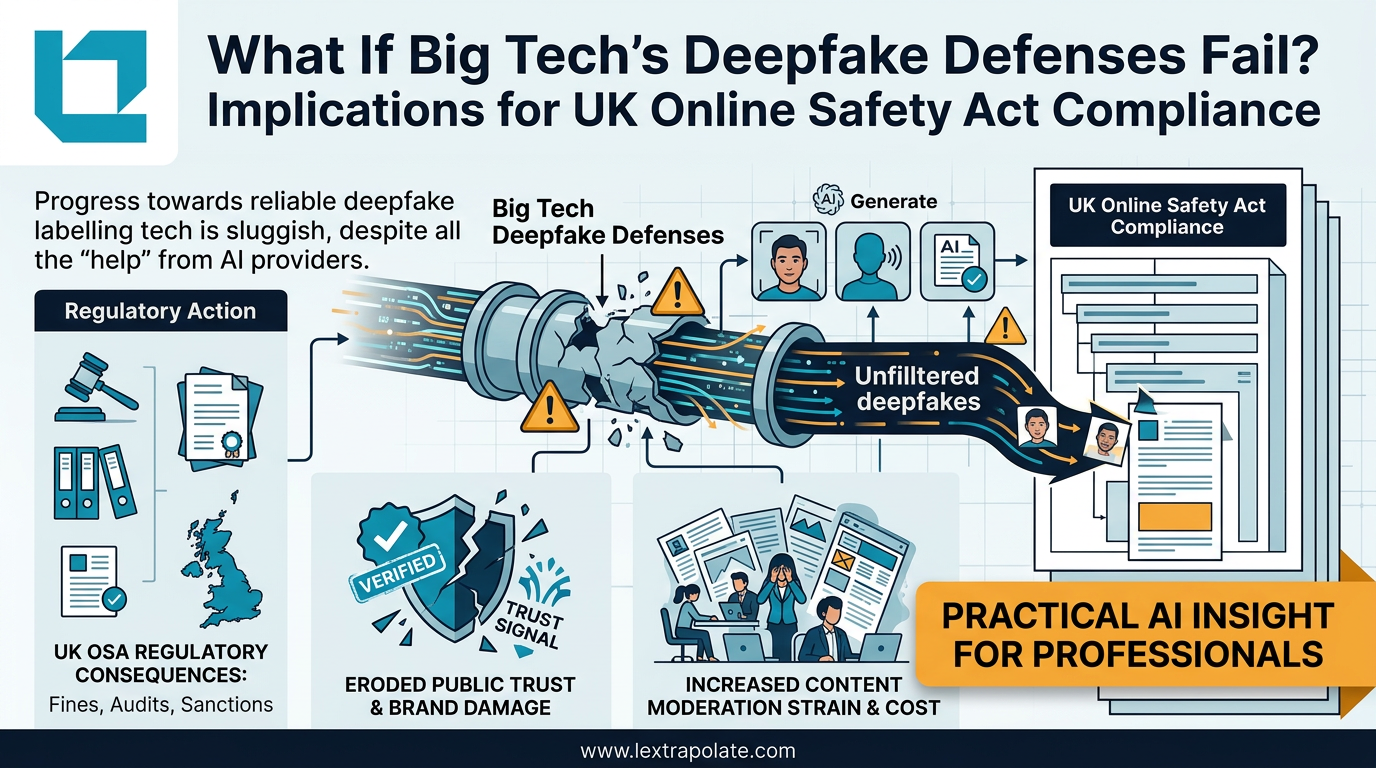
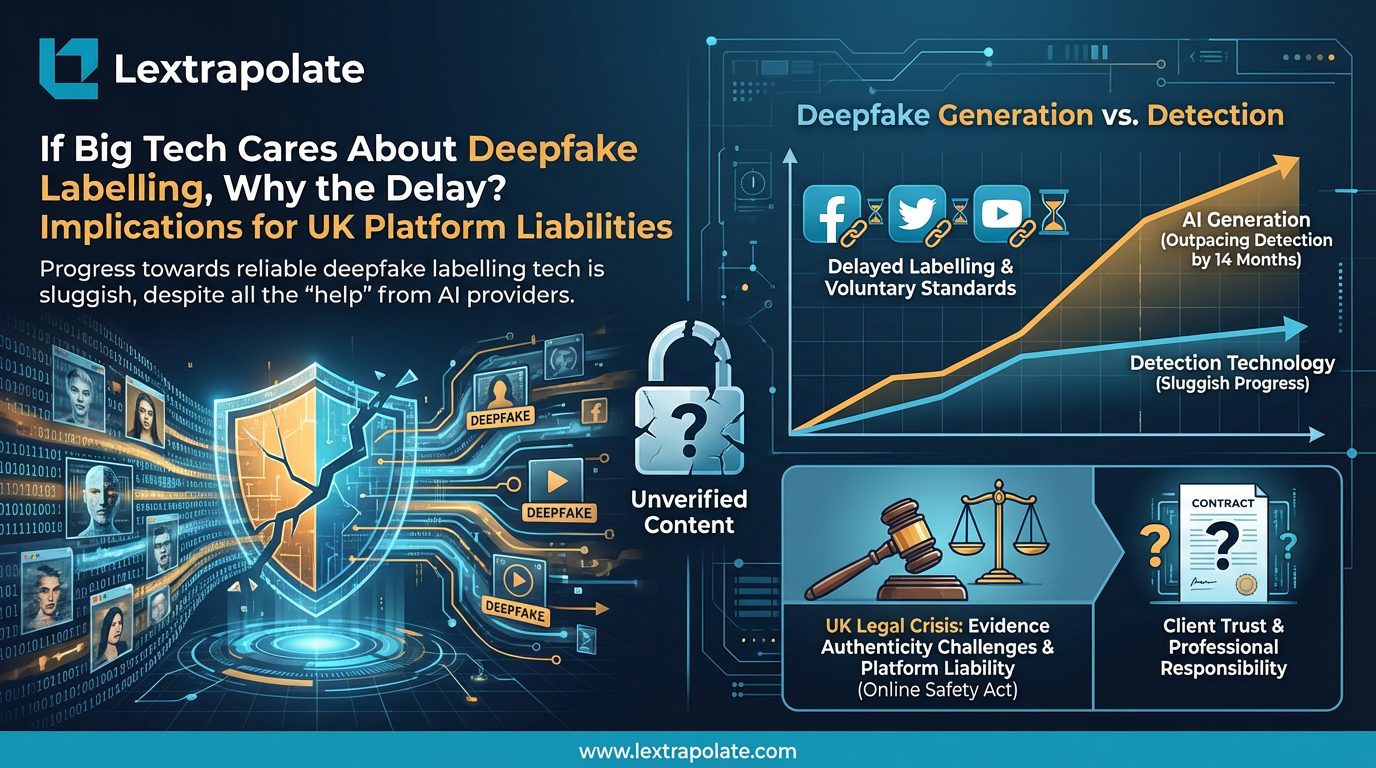
Detection tech is losing the arms race against deepfake generators. UK lawyers need technical literacy now, not when the first case lands.

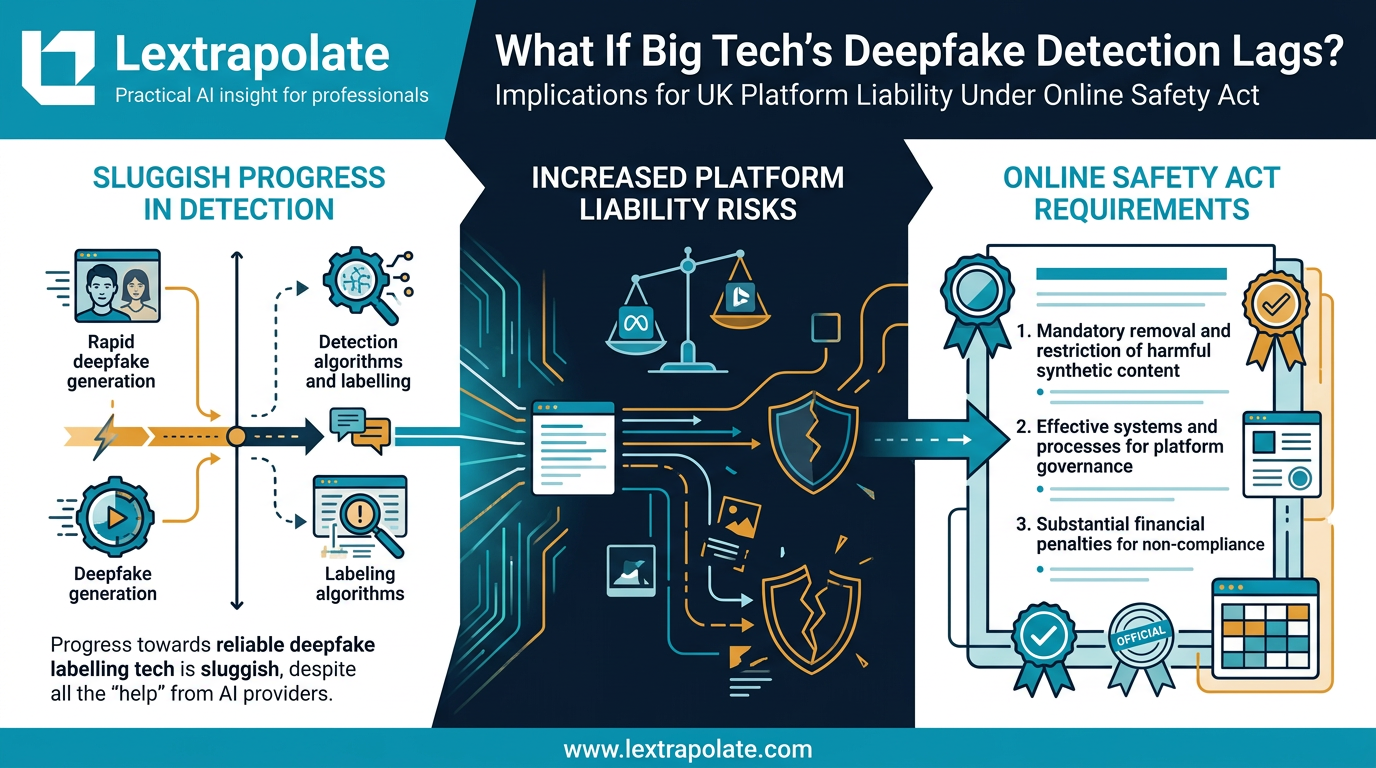
Deepfake detection is losing the arms race. For UK lawyers, that creates evidence integrity risks and Online Safety Act exposure worth taking seriously now.

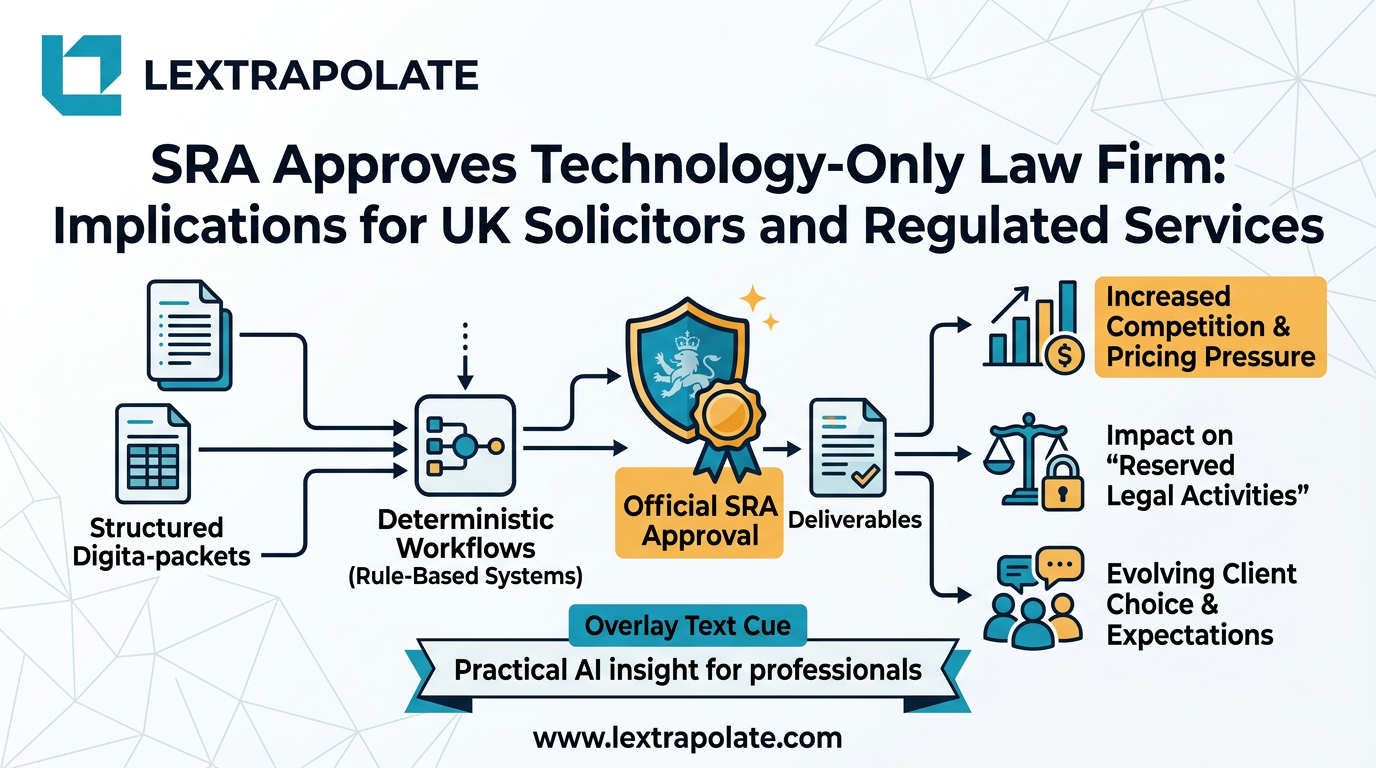
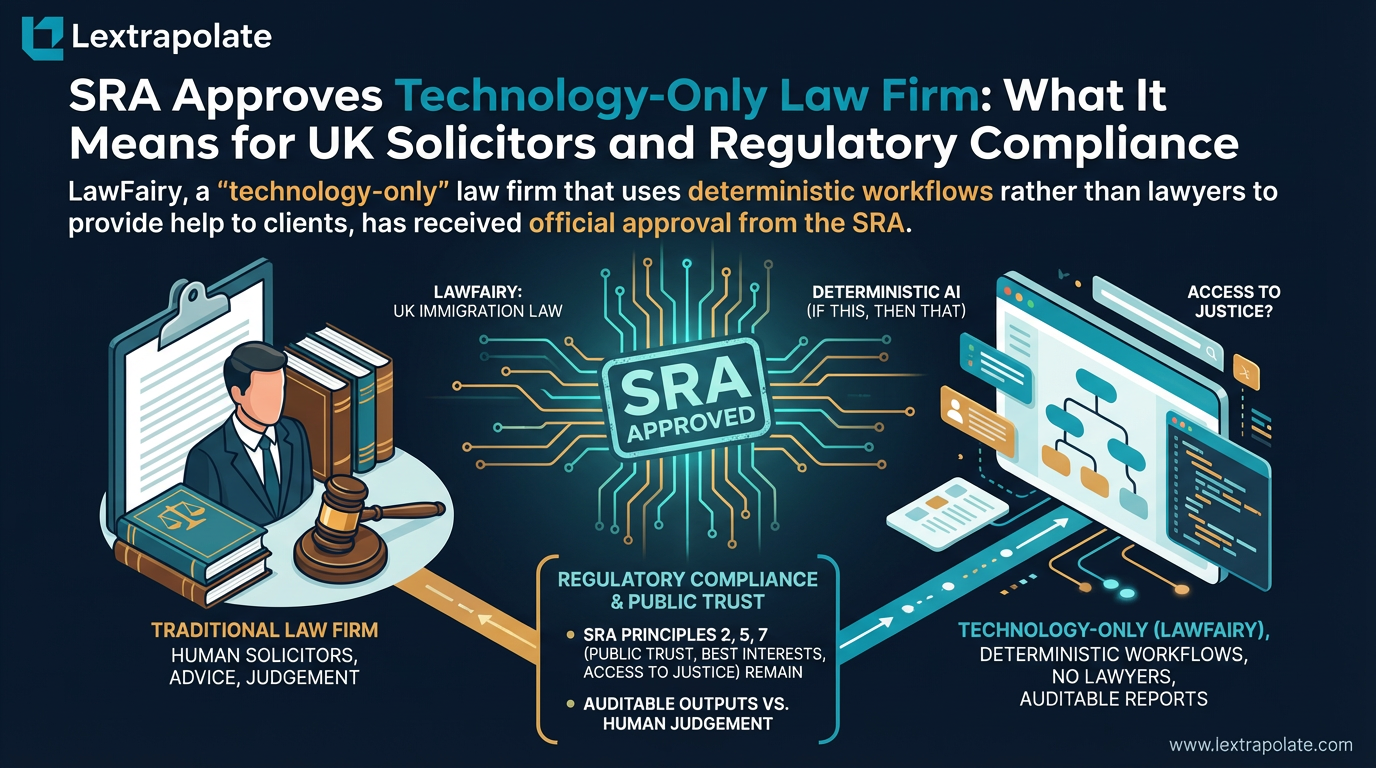
The SRA has authorised a firm that delivers regulated legal services without lawyers. Here is what that precedent means for UK solicitors and the profession.

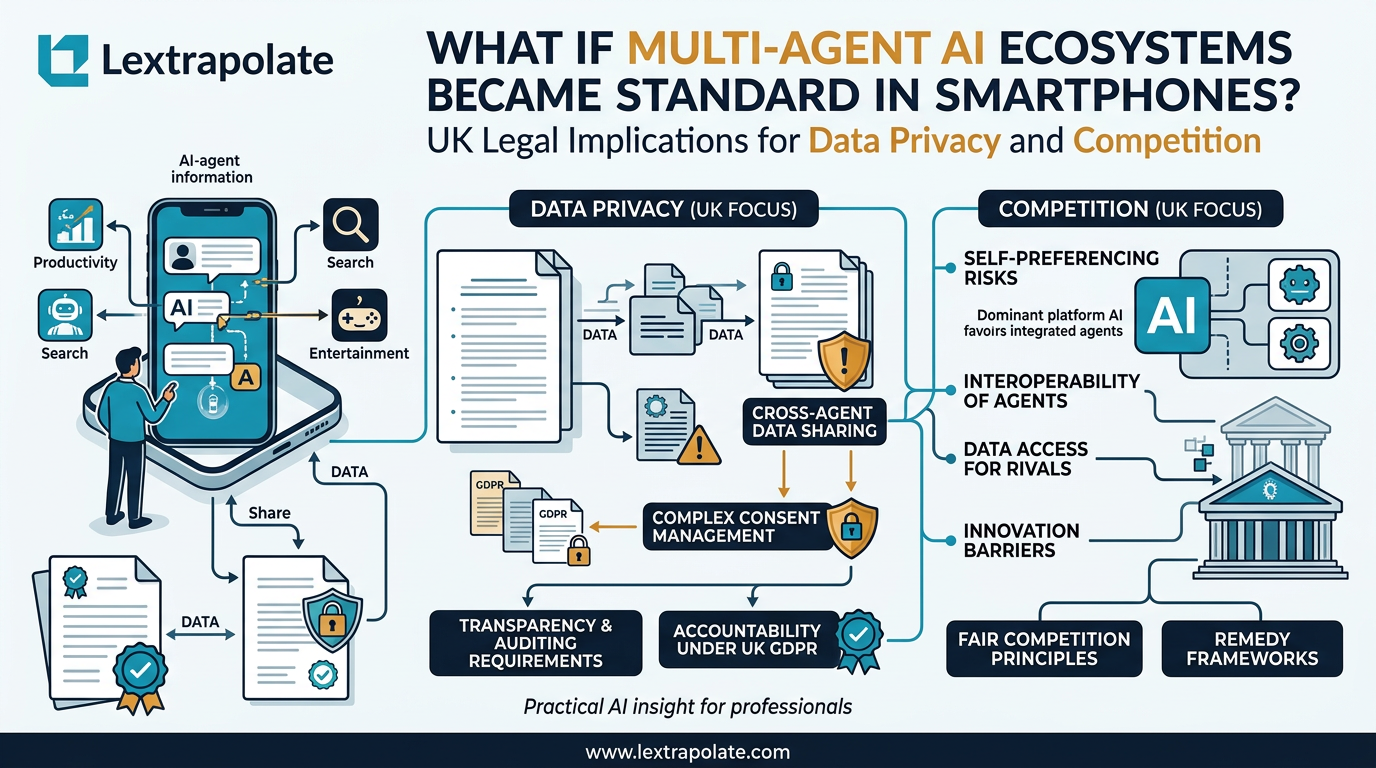
AI agents embedded at OS level change how professionals research on the move. The concept is significant. The legal questions it raises are more significant still.

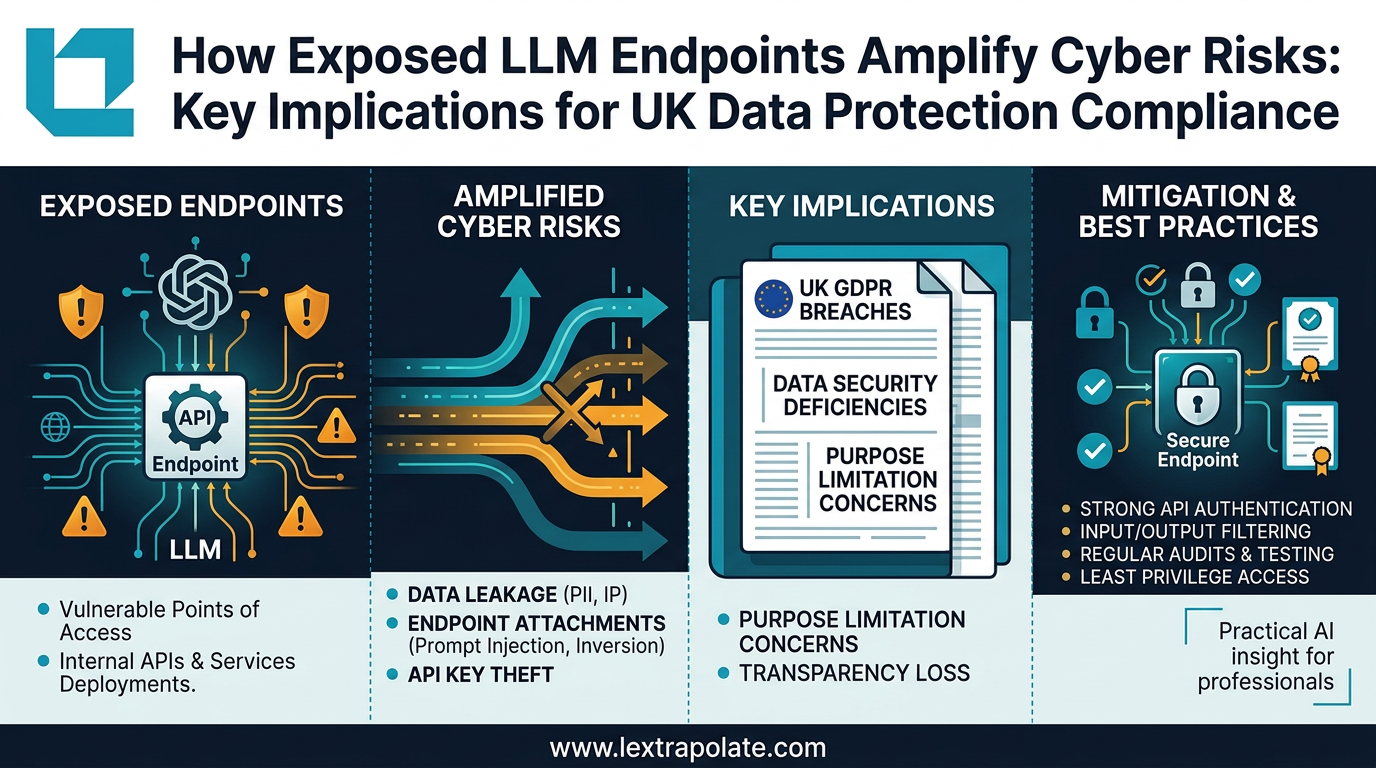
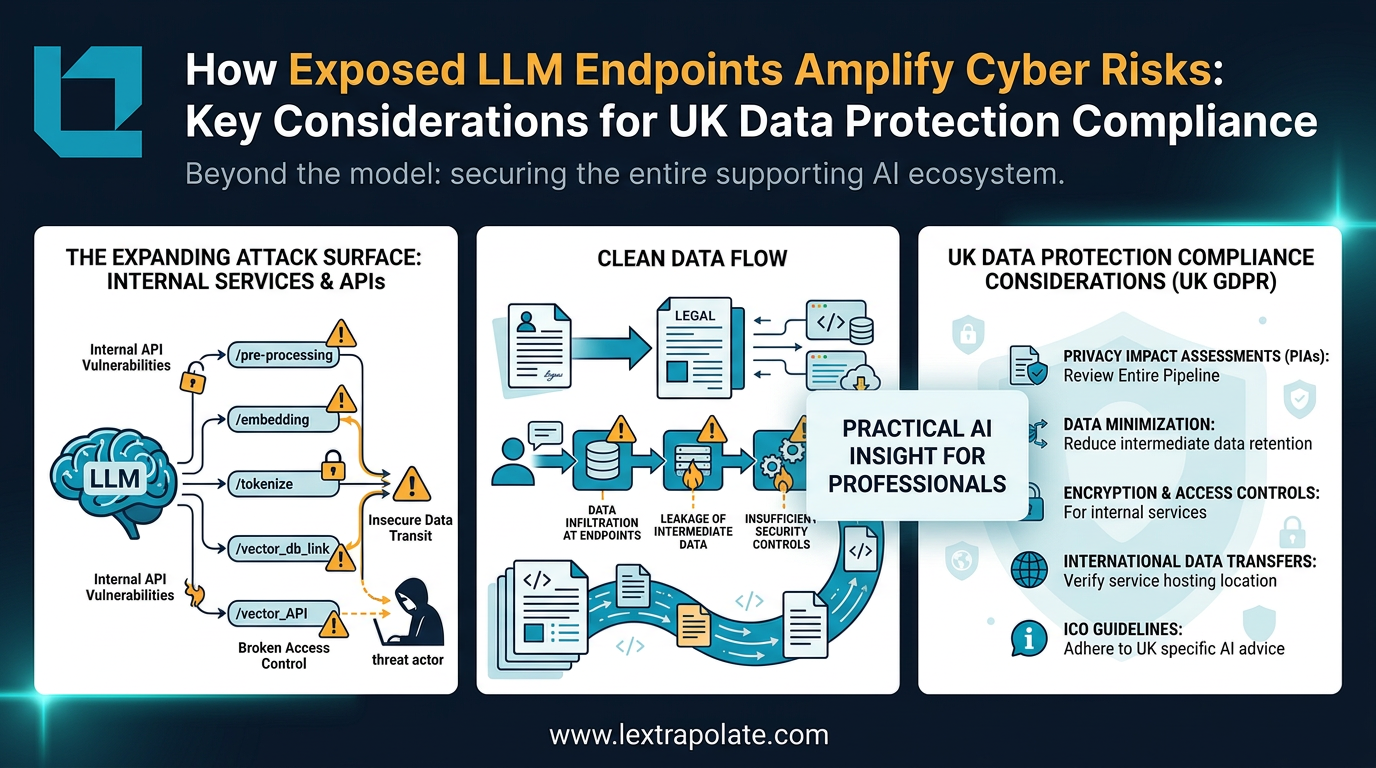
As lawyers build internal LLM tools, the real security risk isn't the AI model. It's the APIs, endpoints and pipelines connecting it to everything else.

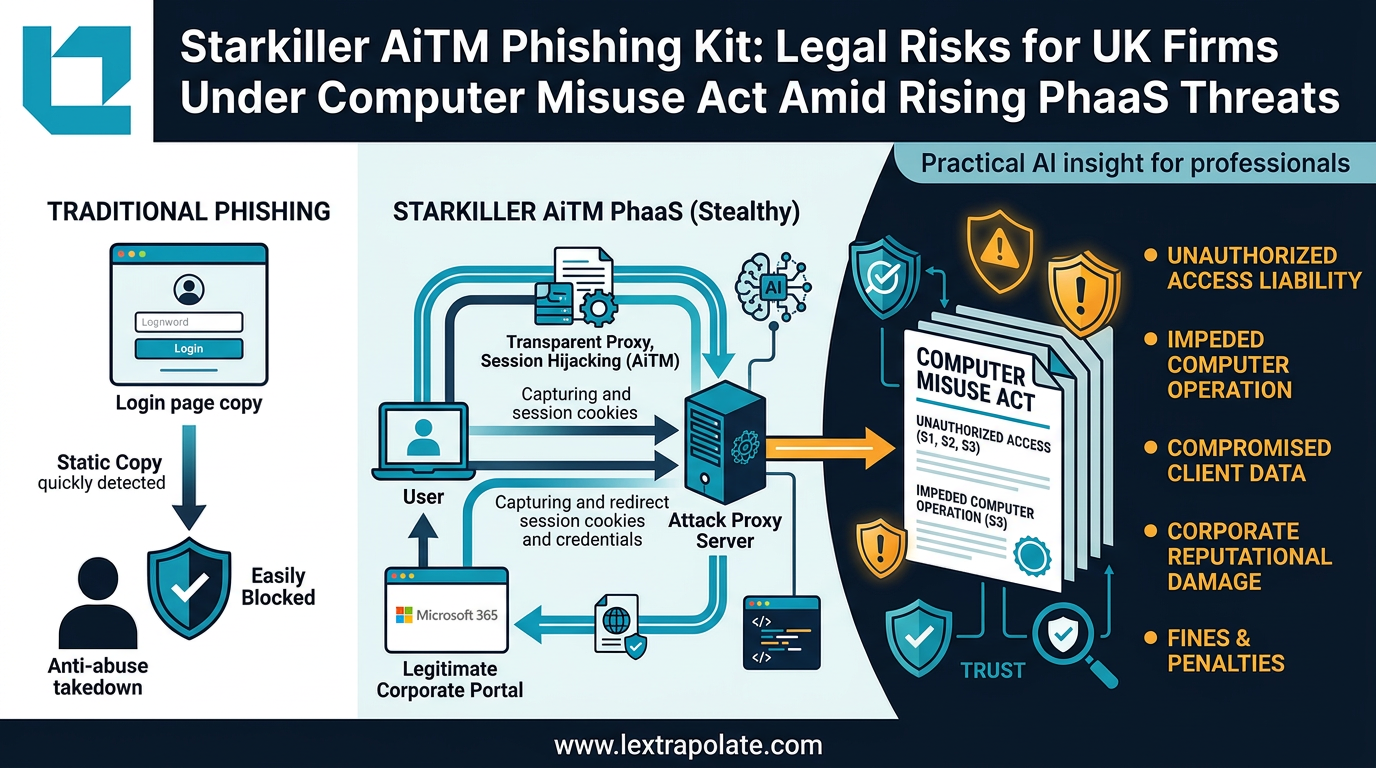
Starkiller proxies real login pages and relays MFA tokens in real time. What does that mean for law firms still treating 2FA as a security ceiling?

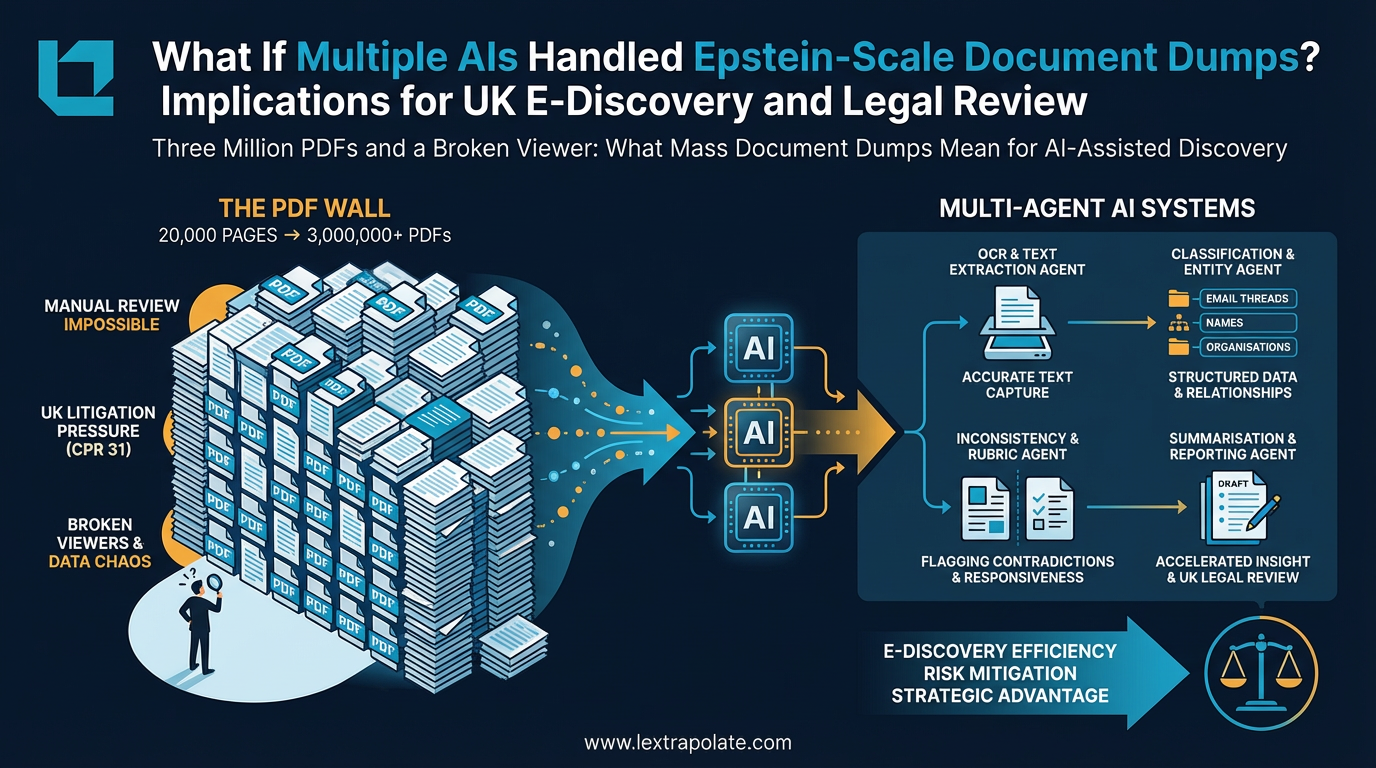
PDFs are still the dominant friction point in legal discovery. Multi-agent AI is changing that fast. Here is what practitioners need to understand now.

As professionals build custom AI tools and workflows, the real security risk isn't the model. It's the infrastructure connecting everything together.

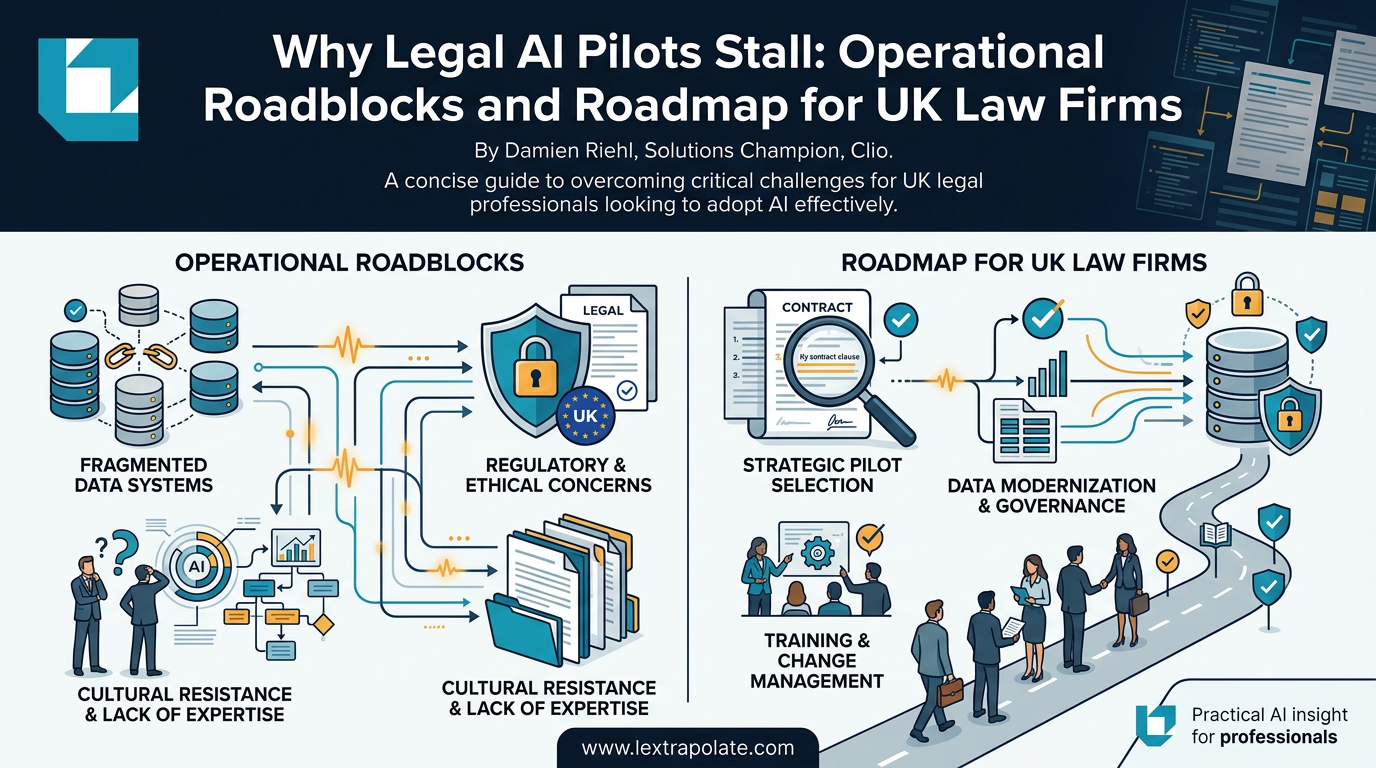
Most legal AI pilots succeed technically and fail operationally. Here is why firms stall after the demo, and what it actually takes to move forward.

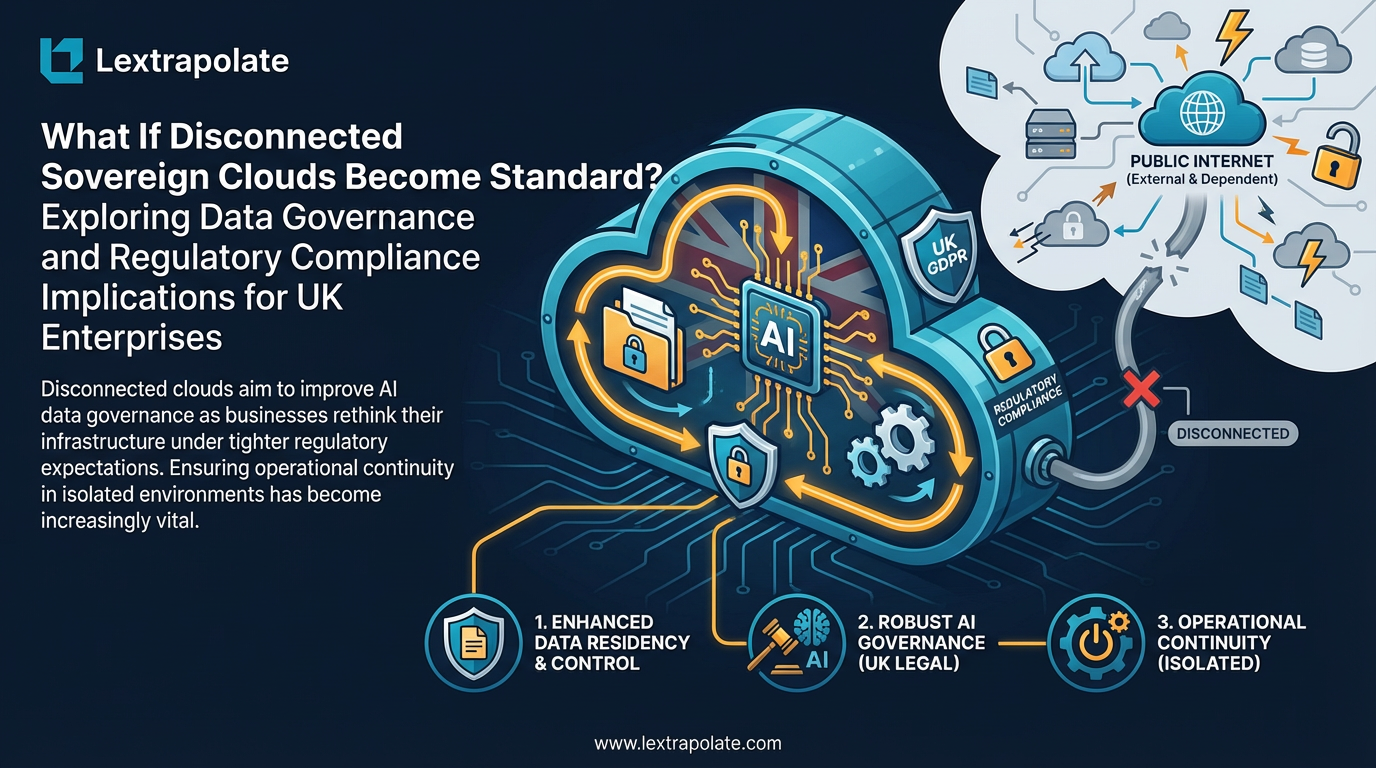
Disconnected sovereign clouds let firms run powerful AI models on client data without touching the public internet. The legal implications deserve serious attention.

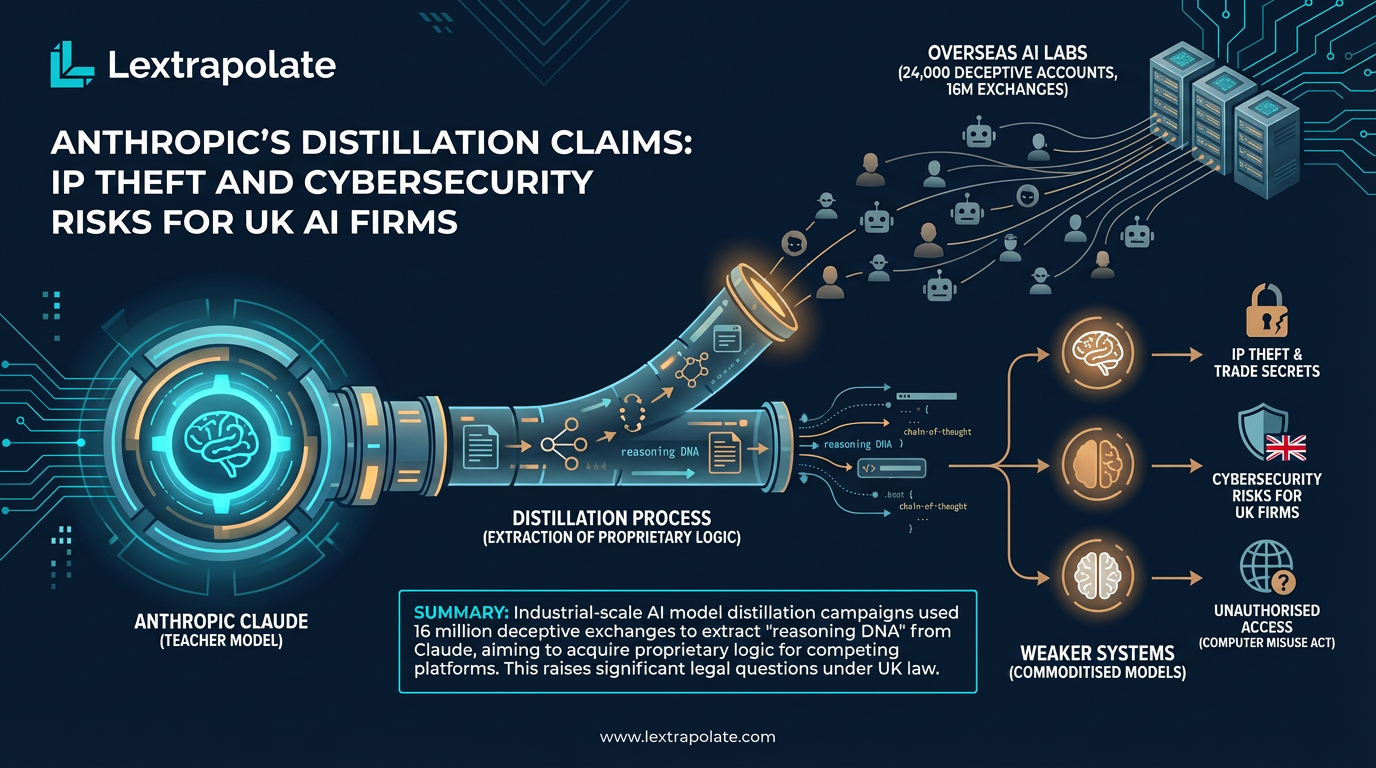
Anthropic identified industrial-scale theft of Claude's capabilities via 16 million fake queries. Here's what it means for UK firms building on proprietary AI.

Anthropic's Claude Code Security could change the risk calculus for lawyers and knowledge workers building their own AI tools. Here's what to make of it.

The SRA has now authorised two technology-only law firms. No solicitors, no advice, just automated workflows. That deserves serious scrutiny.

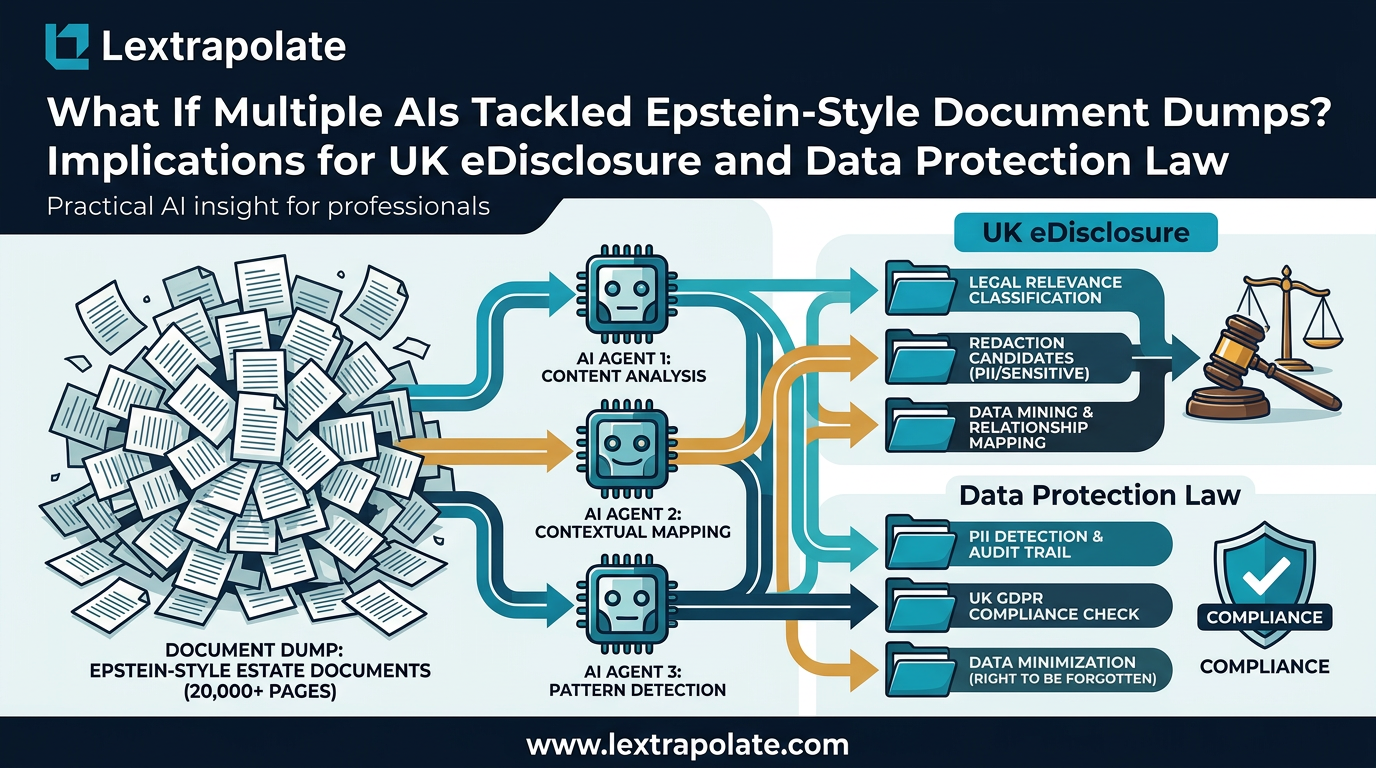
The Epstein document releases exposed a real problem: massive PDF datasets that no human team can process alone. What does that mean for UK legal practice?

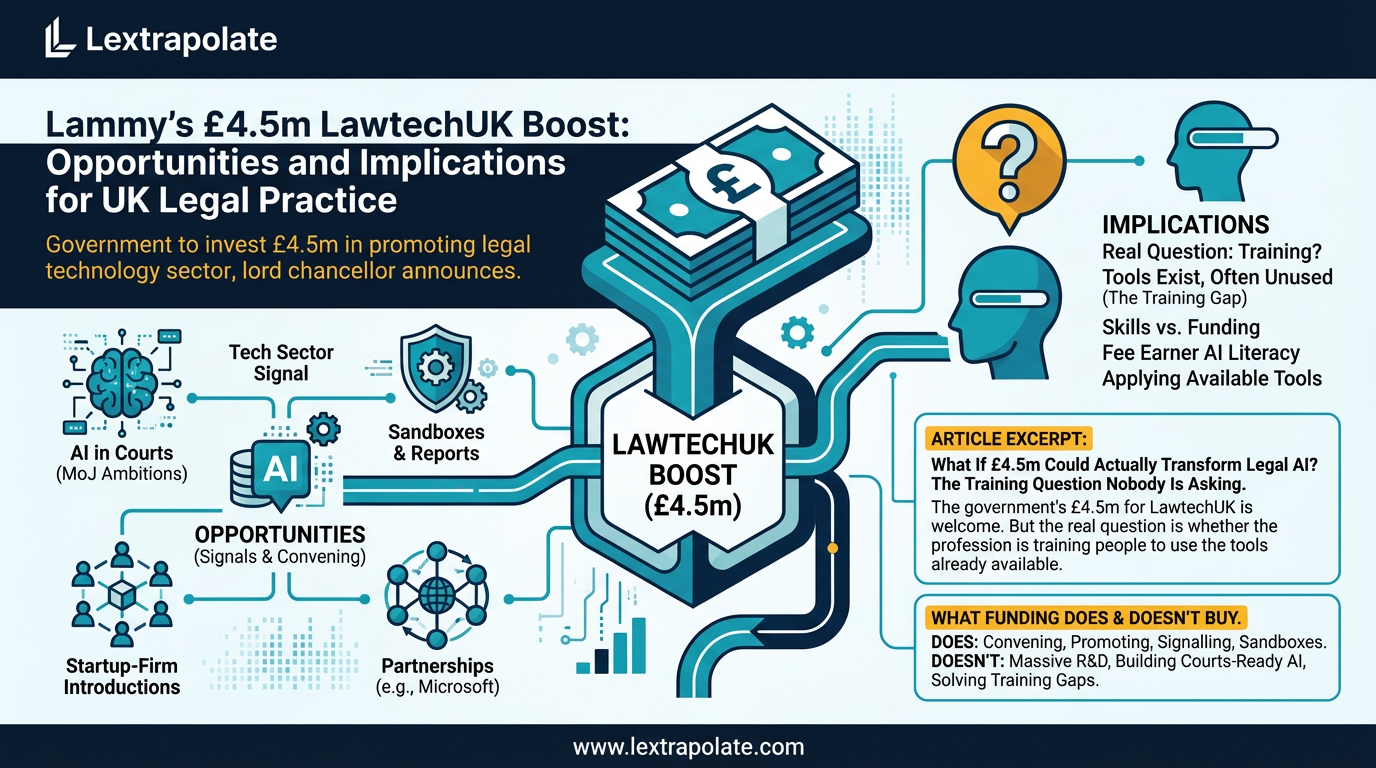
The government's £4.5m for LawtechUK is welcome. But the real question is whether the profession is training people to use the tools already available.

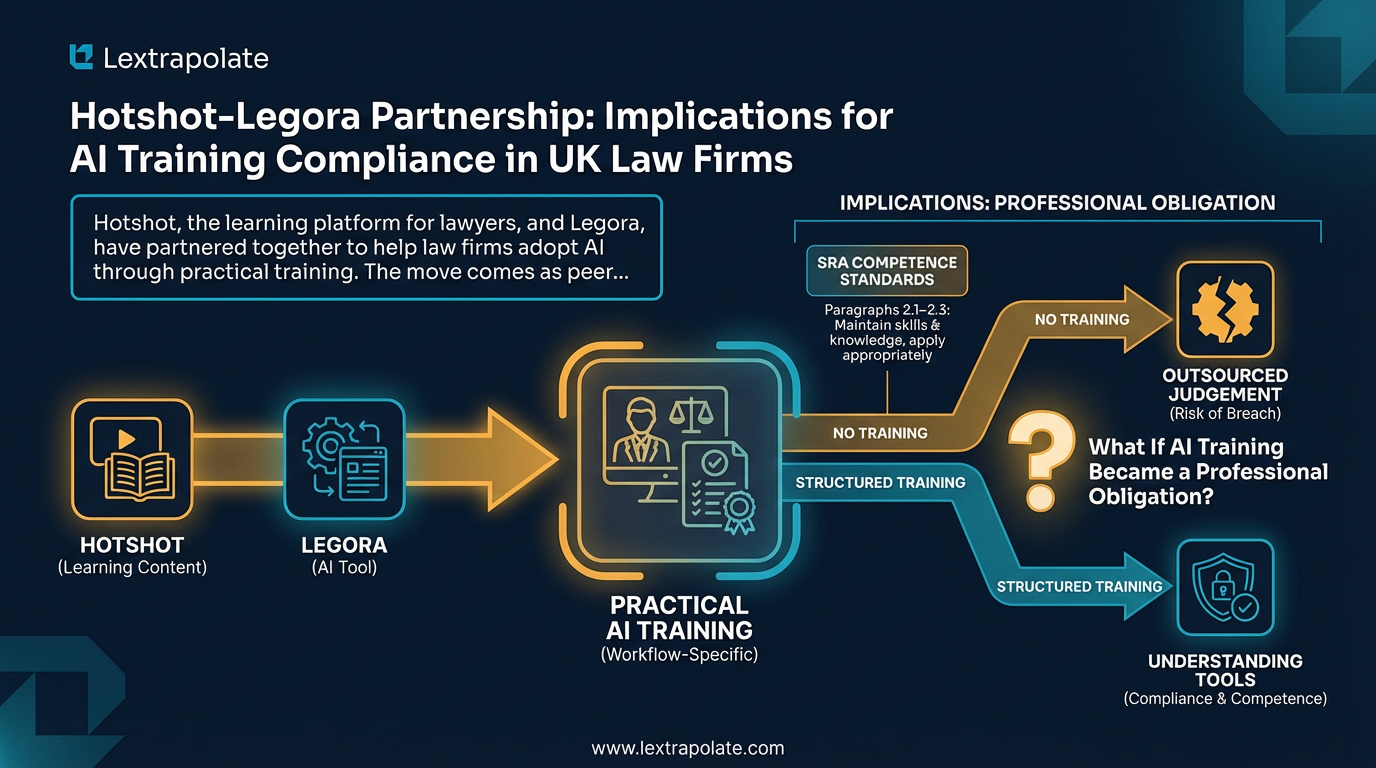
Hotshot and Legora's partnership raises a sharper question: when does AI training shift from good practice to regulatory requirement?

Deepfake detection is losing the arms race. For lawyers relying on digital evidence, that is not a technology problem. It is a professional one.

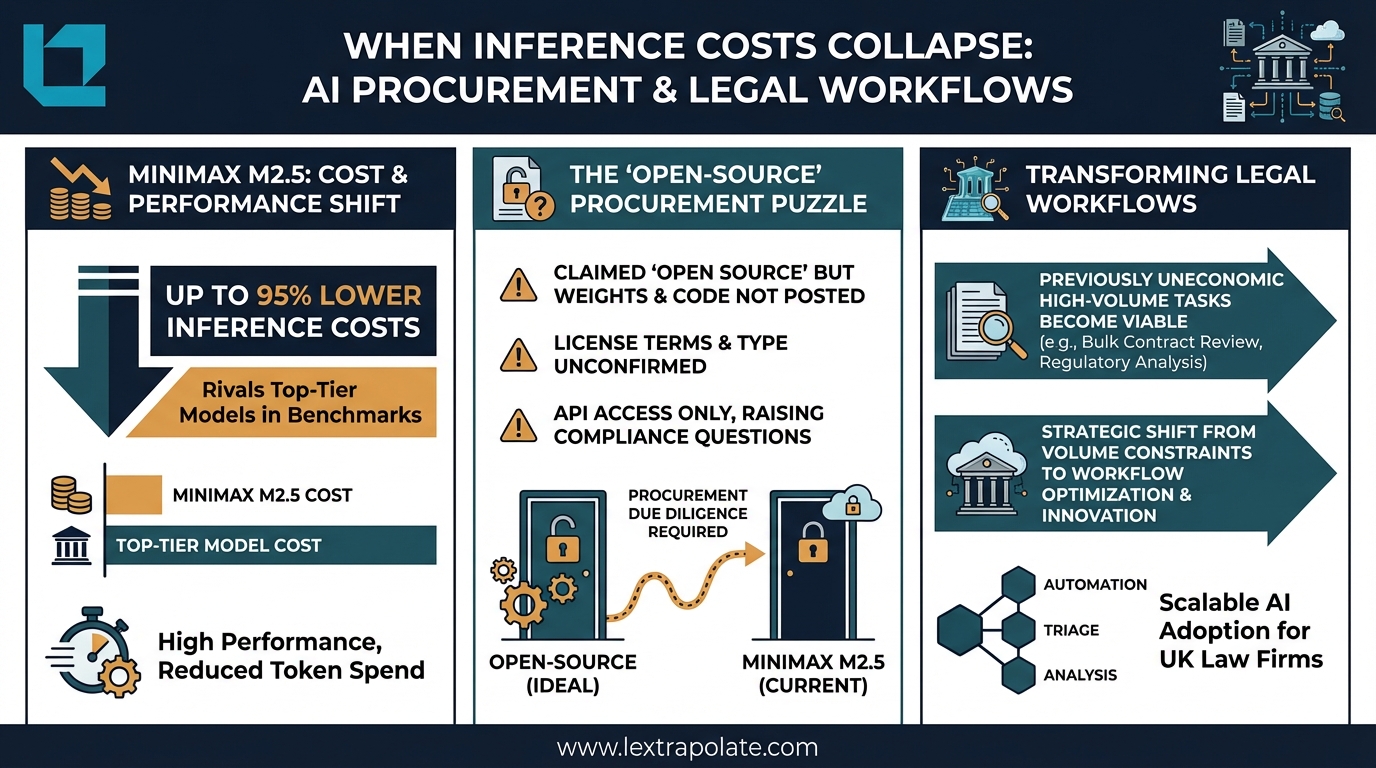
AI inference costs are falling fast. For UK law firms running high-volume document work, that shift has real commercial and compliance implications worth thinking through now.

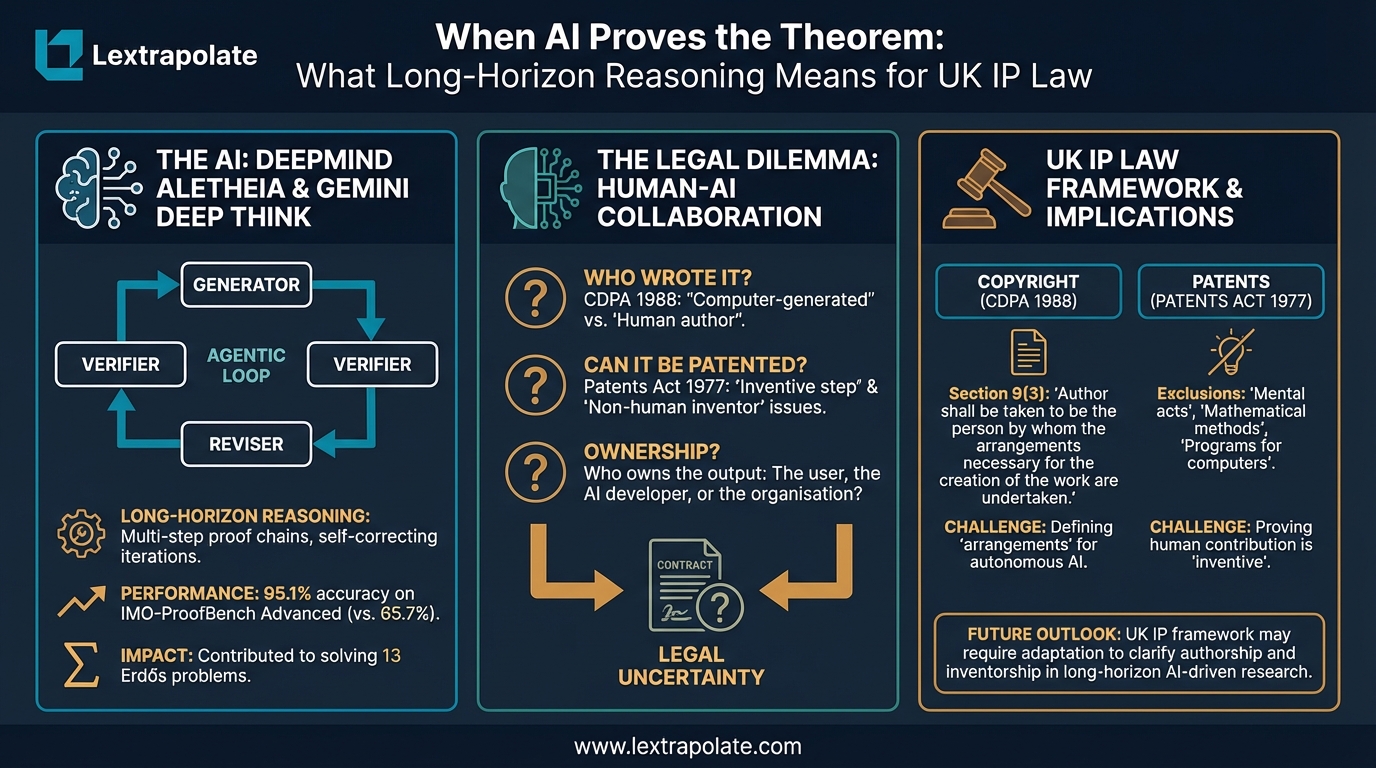
AI systems can now generate and verify complex mathematical proofs autonomously. UK copyright and patent law is not ready for what that means.

Abramowitz and Tromans dissect Anthropic's legal market entry and what AI 2.0 means for UK lawyers. Practical takeaways from their latest Legal AI Adventure.

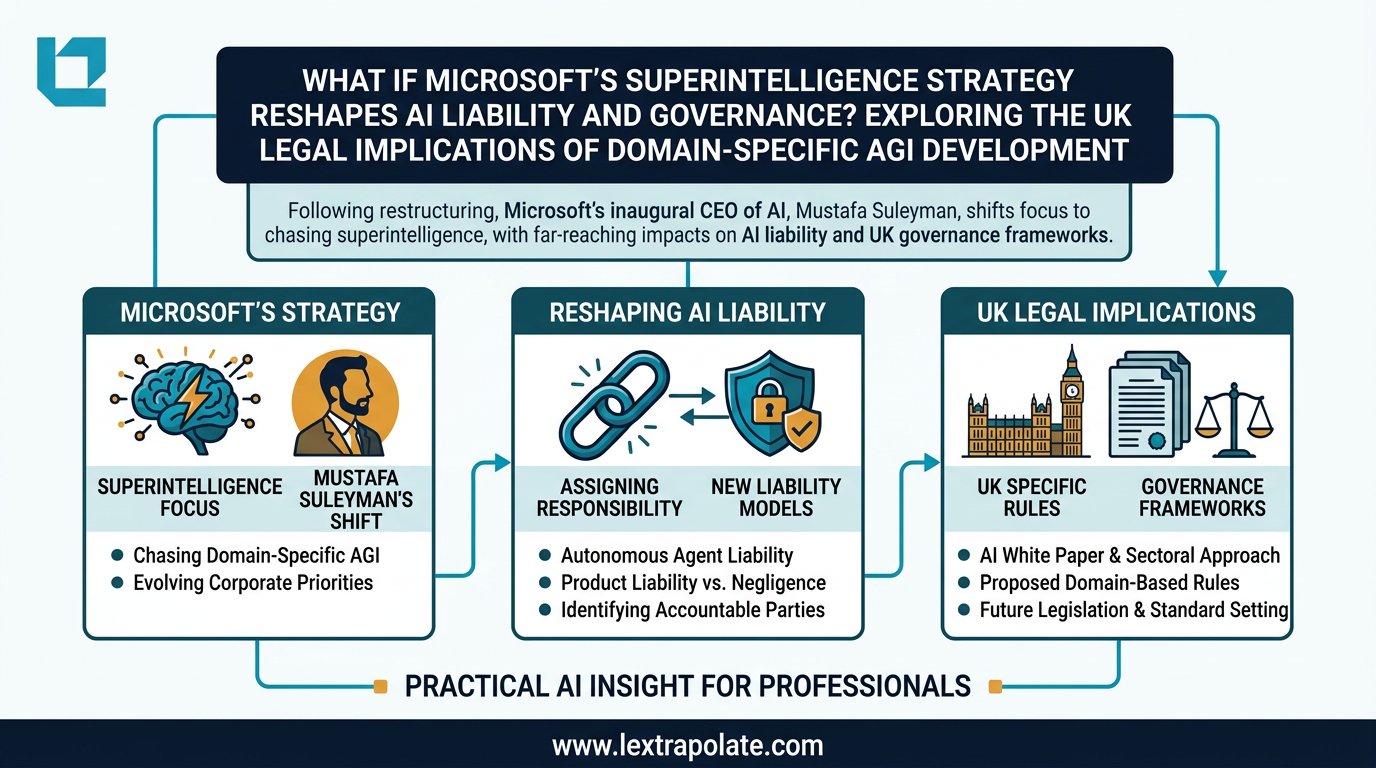
Co-founders fleeing the $1.25 trillion xAI-SpaceX merger should worry regulators and enterprise buyers alike. The governance questions are serious.

UK firms raised rates again last year, but write-offs and discounts are surging. AI-driven efficiency is making the traditional billing model harder to defend.

UK lawyers citing AI-fabricated cases risk contempt of court charges. With 24 documented incidents and counting, professional competence now demands technical literacy.

The Master of the Rolls says AI will flood courts with claims. He's right. The question is whether the system can absorb the shock.

Multi-agent AI collaboration just arrived. What would it mean if autonomous agent teams could produce your skeleton arguments, bundles, and court documents end to end?

Most lawyers say they use AI. Very few can explain what it actually does. That gap is not just embarrassing: it is a professional risk.

AI video generation now combines text, image, audio and video inputs. The evidentiary and regulatory implications for UK lawyers are serious and immediate.